Makes › Porsche › 944 › 944 Turbo Cup · Factory competition · 1986–1988 Extremely Rare
Porsche
944 Turbo Cup
Factory one-make series race car
Still being researched: full specifications. Everything shown is checked against the cited sources. Know more? Send us a source.
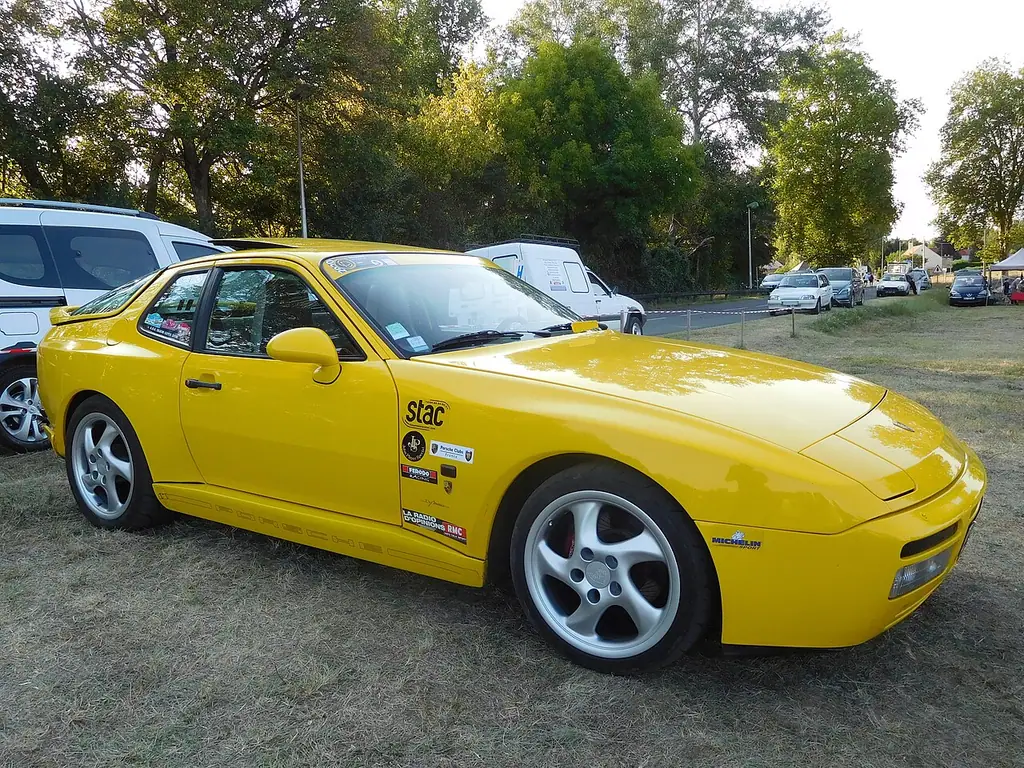
Photo: Cjp24 · CC BY-SA 4.0
Contents
01Overview
At a glance
- Built
- 192 Built
- Years
- 1986–1988
- Engine
- 2,479 cc / 2.5 LFactory: 2,479 cc
- Power
- 186 kW / 253 PSFactory: 250 hp · converted
- Top speed
- 274 km/hFactory: 170 mph · converted
- Body
- Not yet verified
- Designer
- Not yet verified
- In this archive
- Not yet verified
- Surviving
- Not yet verified
Sources and any conflicting figures are in the sections below.
Why it matters
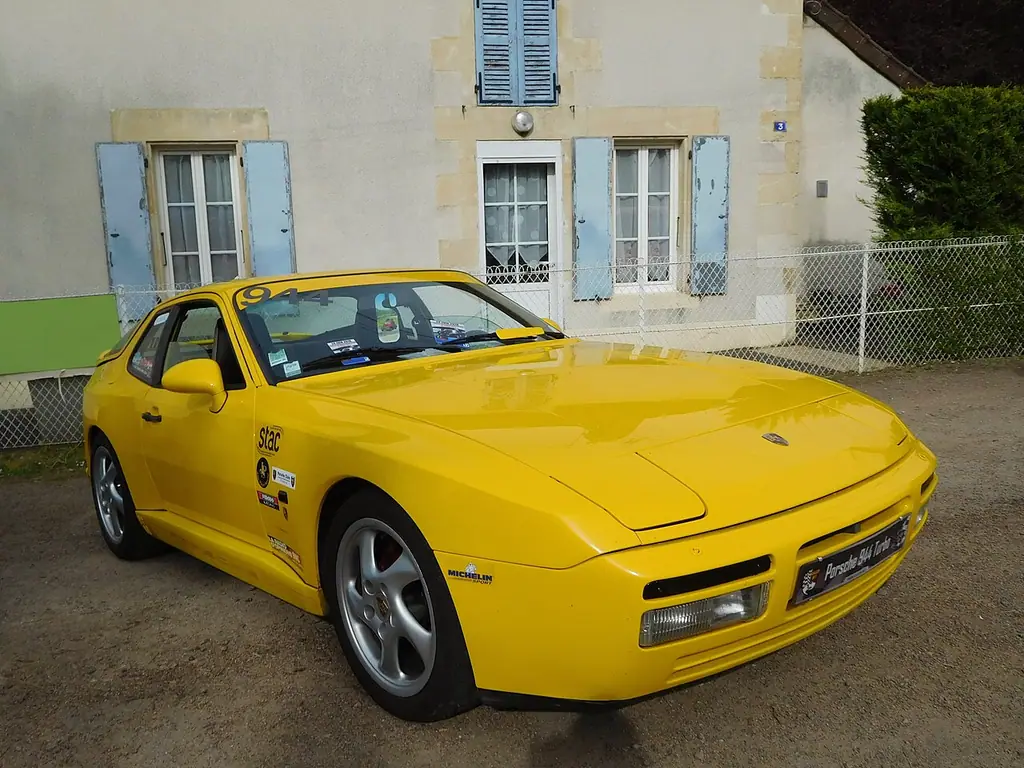
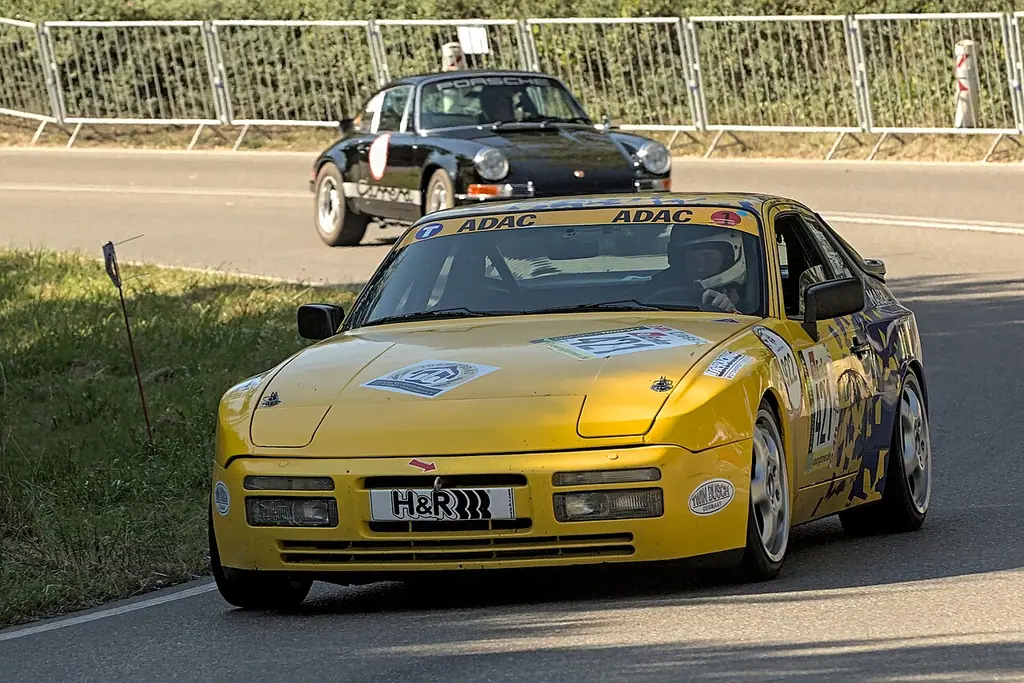
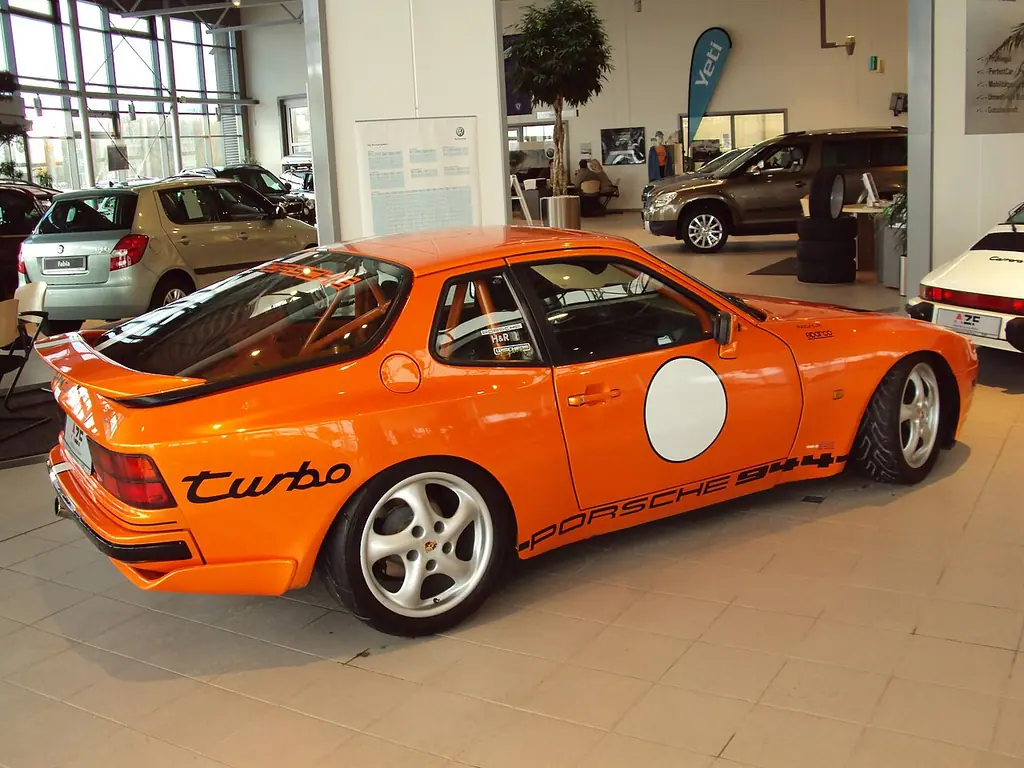
The 944 Turbo Cup was a factory-prepared, lightened race version of the 944 Turbo (Type 951) built at Weissach for single-make championships. It was created to build enthusiasm for the 944 Turbo and was run in series in Germany, France, South Africa, the US and Canada. Cars were titled for road use but stripped, strengthened and modified well beyond a standard 944 Turbo.
How rare is it?
Six separate kinds of rarity – never combined into one number.
Each kind of rarity is rated separately and never combined.
Photos
Exterior, interior and detail photos with their licences.
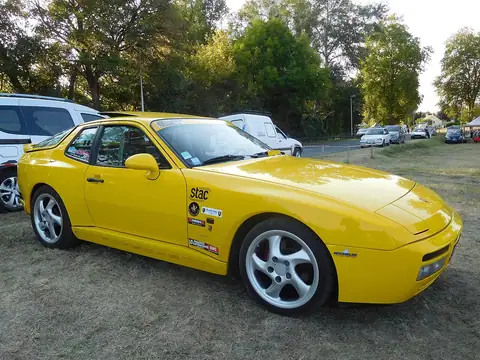 Porsche 944 Turbo Cup (Wikimedia Commons: Porsche 944 Turbo Cup)
Photo: Cjp24 · CC BY-SA 4.0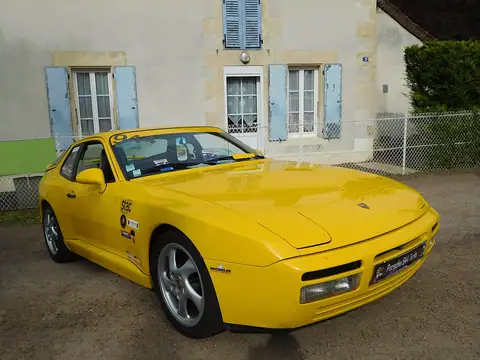 Porsche 944 Turbo Cup (Wikimedia Commons: Porsche 944 Turbo Cup)
Photo: Cjp24 · CC BY-SA 4.0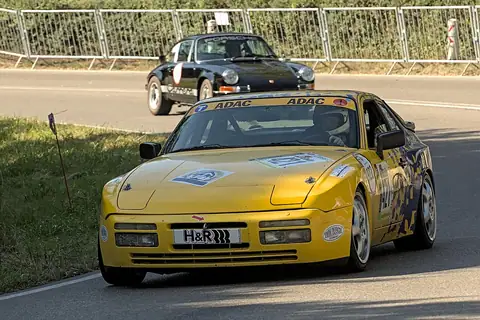 Porsche 944 Turbo Cup (Wikimedia Commons: Porsche 944 Turbo Cup)
Photo: Alexander Migl · CC BY-SA 4.0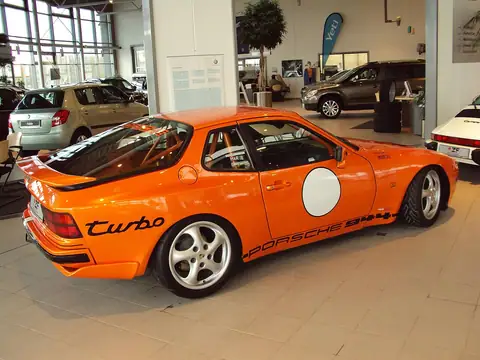 Porsche 944 Turbo Cup (Wikimedia Commons: Porsche 944 Turbo Cup)
Photo: nakhon100 · CC BY 2.0


02Production & history
Production
Every figure says what it counts.
| What is counted | Figure | Basis | Status |
|---|---|---|---|
| Total model productionunits produced | 1921 | Factory production | Independently researched |
Independent counts (e.g. engine and colour) are never combined into a calculated figure. Surviving examples are never presented as original production.
History
The Turbo Cup grew from a Canadian single-marque series that began with naturally aspirated 944s and was sponsored by Rothmans. By fall 1987 Porsche developed Turbo-powered cup series in Germany, France and South Africa; a US series sponsored by a radar-detector maker drew 16 entries and the Canadian series 36. Bonhams states 192 cars were built globally with between 36 and 39 for North America, while RM Sotheby's says just 11 chassis are believed to have gone to North America for 1987.
For 1988 the cars received a larger KKK K26-8 turbocharger and revised engine mapping, holding full boost to 5,800 rpm. One cataloged 1988 car was a spare for the Canadian series that was never raced; another was raced by a Canadian driver in Reebok livery for the whole series, which lasted three years.
Variants
How each version differs from the standard 944 Turbo Cup.
No variants documented yet. Have a source? Contribute it.
03Specifications
Technical specifications
Engine
| Engine family | Not yet verified |
|---|---|
| Engine code | M44/512 Independently researched |
| Layout | Not yet verified |
| Cylinders | 42 Independently researched |
| Displacement | 2,479 cc / 2.5 LFactory: 2,479 cc2 Independently researched |
| Bore | Not yet verified |
| Stroke | Not yet verified |
| Compression ratio | Not yet verified |
| Fuel system | Bosch Motronic fuel injection2 Independently researched |
| Induction | KKK K26-8 turbocharger (1988 cars)3 Independently researched |
| Power | 186 kW / 253 PSFactory: 250 hp · converted4 DisputedBonhams lists an estimated 250 bhp at 5,800 rpm in its spec block but states "in excess of 325bhp" in the text; RM says upwards of 250 hp. |
| Power at | Not yet verified |
| Torque | Not yet verified |
Transmission & drivetrain
| Gearbox | Not yet verified |
|---|---|
| Gears | 52 Independently researched |
| Driven wheels | Not yet verified |
Chassis, body & dimensions
| Chassis | Not yet verified |
|---|---|
| Front suspension | Not yet verified |
| Rear suspension | Not yet verified |
| Brakes | 928 S4 brakes with 12-inch rotors, driver-controlled ABS3 Independently researched |
| Steering | Not yet verified |
| Body construction | Not yet verified |
| Wheelbase | Not yet verified |
| Length | Not yet verified |
| Width | Not yet verified |
| Height | Not yet verified |
| Front track | Not yet verified |
| Rear track | Not yet verified |
| Kerb weight | Not yet verified |
| Dry weight | Not yet verified |
Performance
| Maximum speed | 274 km/hFactory: 170 mph · converted3 Independently researchedSource says "almost 170 mph". |
|---|---|
| 0–100 km/h | 5.3 s3 Independently researched1988 car; catalogue figure. |
| Fuel tank | Not yet verified |
“Not yet verified” means no source has been checked for that value yet. Nothing is estimated to fill a gap.
04Colours & options
Factory colours & interiors
Original paint and trim, with the number of cars in each where a source gives it.
Not yet documented. Have a source? Contribute it.
Factory options & codes
Codes are shown exactly as written by the manufacturer.
Not yet documented. Have a source? Contribute it.
05Individual cars
Chassis register
Every documented car, with its colours, history and where it is now. Open a row for the full record. Known chassis are not automatically authenticated originals.
Not yet documented. Have a source? Contribute it.
Competition history
Every race result of the individual cars, in date order. Click a chassis number to open its full record in the register.
Not yet documented. Have a source? Contribute it.
Auction & sale history
Documented public sales of the individual cars. Click a chassis number to open its full record in the register.
Not yet documented. Have a source? Contribute it.
See one in person
Museums where an example of this car can be seen.
No example is documented on public display yet. Have a source? Contribute it.
06Reference
Identification guide
How to tell an original from a replica or later conversion.
A genuine car starts from a sunroof-delete coupe with a reinforced shell, strut-tower brace and a full light-alloy roll cage. The Certificate of Authenticity of a 1987 car shows code 754, the Turbo Cup Package. Typical features are a fibreglass bonnet, magnesium intake manifold and oil pan, 928 S4 brakes with 12-inch rotors and driver-controlled ABS, a limited-slip differential and magnesium "telephone-dial" wheels, 8 in front and 9 in rear. Power windows, power steering, air conditioning, power seats, radio, rear wiper and fender liners are deleted. Cars were delivered titled for road use.
Sources
Each number links to the exact facts it supports.
-
1
Porsche Newsroom – Time lapse: Porsche’s transaxle models Level A
- 192 units produced
-
2
Ex-Rothmans Porsche Turbo Cup, 1988 Porsche 944 Turbo Cup (Amelia Island 2020, lot 115) Level C Bonhams · 2020-03-05
- the Weissach Turbo's M44/51 employed a larger KKK K26-8 turbocharger
- 2,479cc SOHC Turbocharged Inline 4-Cylinder Engine
- Bosch Motronic Fuel Injection
- 5-Speed Manual Transaxle
-
3
1988 Porsche 944 Turbo Cup (Taj Ma Garaj Collection, lot 381) Level C RM Sotheby's
- larger KKK K26-8 turbocharger and revised engine mapping
- 928 S4 brakes with 12-inch rotors and driver-controlled ABS
- a top speed of almost 170 mph
- launch to 100 kph (62 mph) in 5.3 seconds
-
4
1987 Porsche 944 Turbo Cup (The White Collection, lot 2159) Level C RM Sotheby's
- larger turbo allowed the 2.5-liter inline four-cylinder to produce upwards of 250 horsepower
Keep exploring
More from Porsche
-
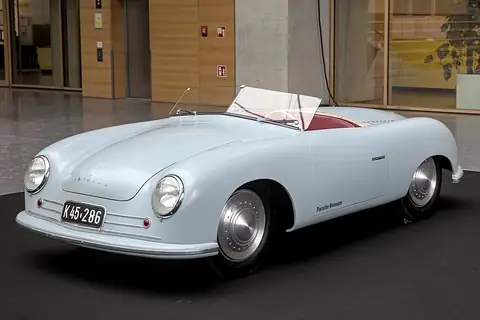
Porsche · 1948
356 "No. 1" Roadster (Sport 356/1)
1 Built
-
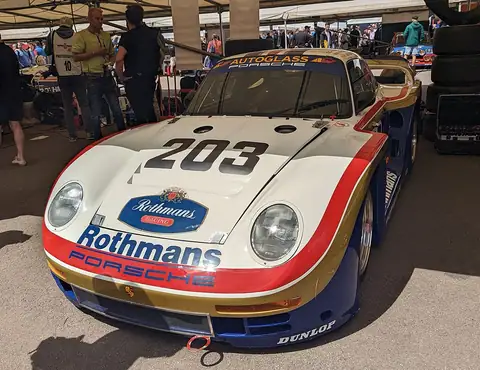
Porsche · 1986–1987
961
1 Built
-
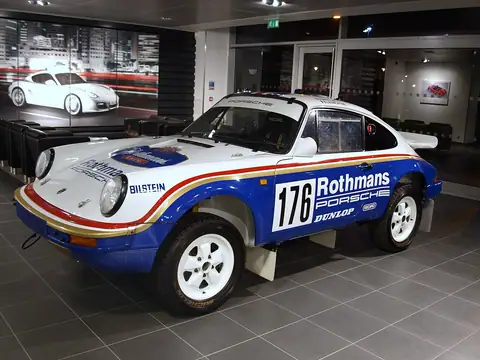
Porsche · 1984
953 (911 4x4 Paris–Dakar)
3 Built
-
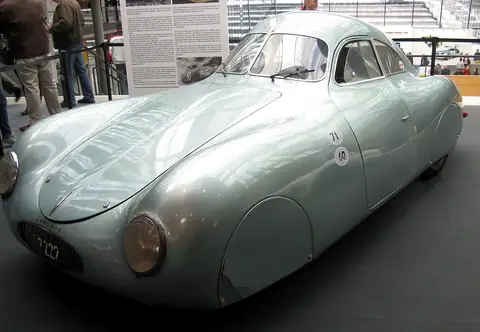
Porsche · 1939–1940
Type 64 (60K10) "Berlin–Rome"
3 Built
More from Germany
-
Volkswagen · 1996
Golf III Harlequin
Production not yet verified
-
Mercedes-Benz · 1956–1959
220 S Coupé (W 180)
1,251 Built
-
Opel · 1976–1978
Kadett C Aero (Baur)
1,332 Built
-
Audi · 2012–2013
A1 quattro
333 Built
73 other makes from GermanyAC SchnitzerAdlerAgria-WerkeAlbertAlpinaAMGAMOAmphicarApolloArtegaAudiAuto UnionAutomobili PininfarinaBayerische AutowerkeBenzBenz & Cie.BitterBMWBohseBoldmenBorgwardBovensiepenBrabusBrennaborBrütschCarlssonChampionDaimler-Motoren-GesellschaftDKWFMR (Messerschmitt)FuldamobilGepardGlasGoggomobilGoliathGumpertGutbrodHanomagHeinkelHorchAll makes →