Makes › Rolls-Royce › Phantom › Phantom II Continental · Rare specification · 1930 Very Rare
Rolls-Royce
Phantom II Continental
Short-chassis, stiffer-sprung high-performance Phantom II
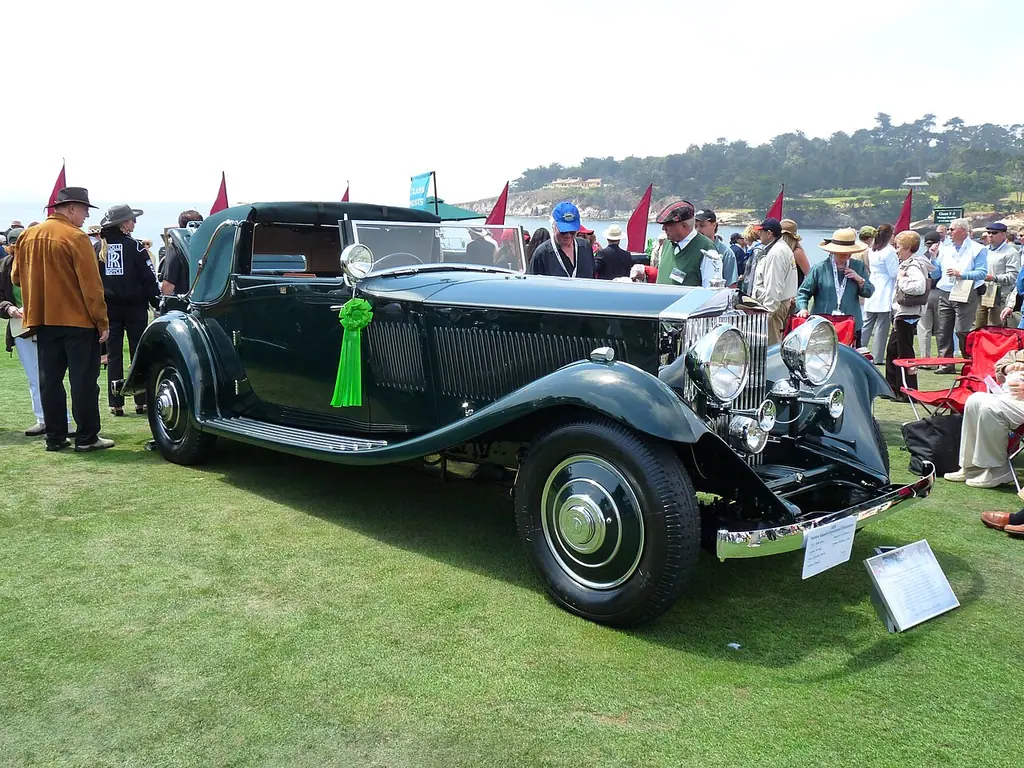
Photo: Craig Howell from San Carlos, CA, USA · CC BY 2.0
Contents
01Overview
At a glance
- Built
- 281 Built
- Years
- 1930
- Engine
- Inline six built as two blocks of three, common aluminium cross-flow head · 7,668 cc / 7.7 LFactory: 7,668 cc
- Power
- Not yet verified
- Top speed
- 153 km/hFactory: 95 mph · converted
- Body
- Not yet verified
- Designer
- Henry Royce with H.I.F. Evernden
- In this archive
- Not yet verified
- Surviving
- Not yet verified
Sources and any conflicting figures are in the sections below.
Why it matters
The Continental was the sporting, owner-driver version of the Phantom II, built on the short chassis with revised suspension and gearing. Only 281 were completed, and it was favoured by fashionable coachbuilders and owners such as Sir Malcolm Campbell and Woolf Barnato.
How rare is it?
Six separate kinds of rarity – never combined into one number.
Each kind of rarity is rated separately and never combined.
Photos
Exterior, interior and detail photos with their licences.
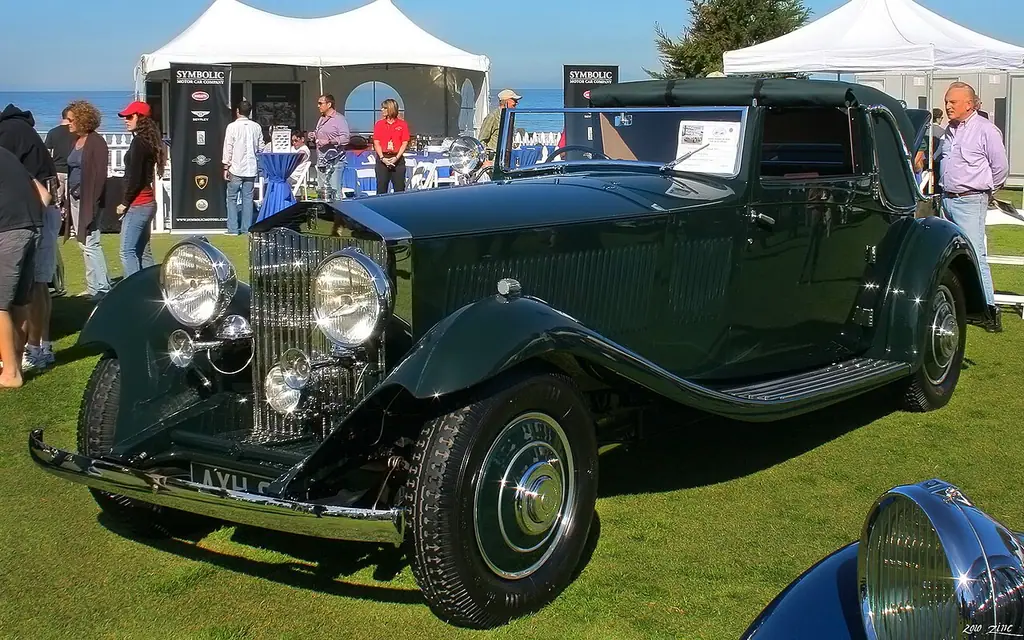
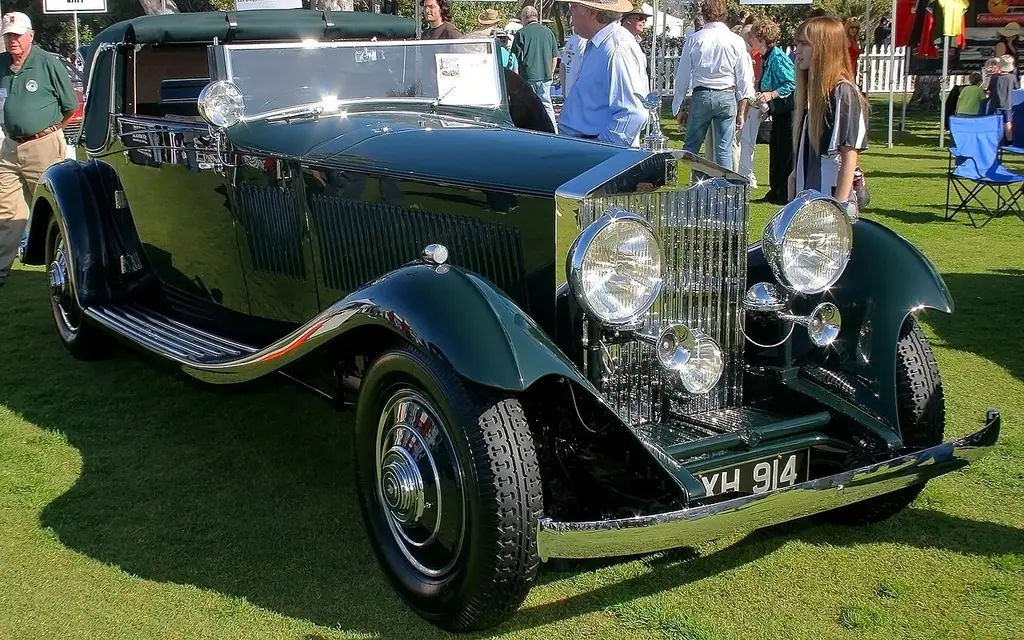
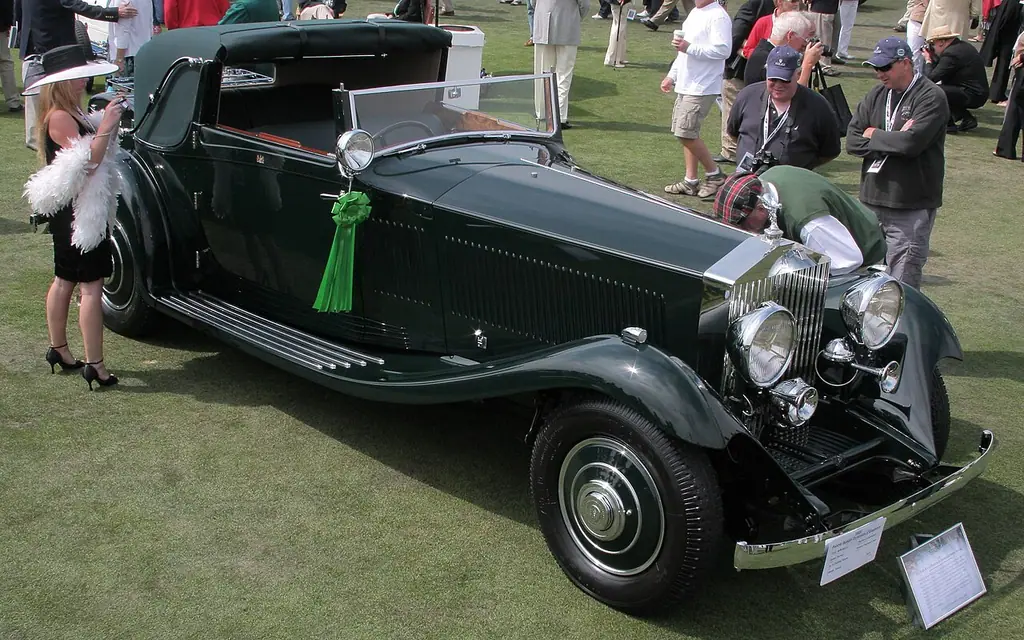
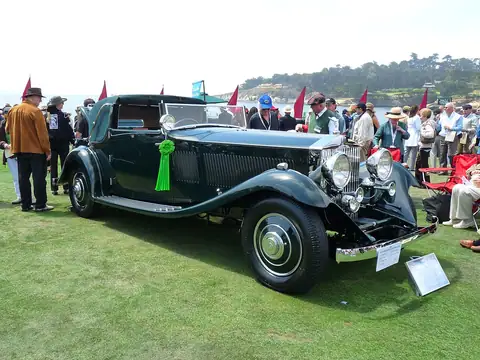 Rolls-Royce Phantom II Continental (Wikimedia Commons: 1933 Rolls-Royce Phantom II Continental Sedanca by Gurney Nutting)
Photo: Craig Howell from San Carlos, CA, USA · CC BY 2.0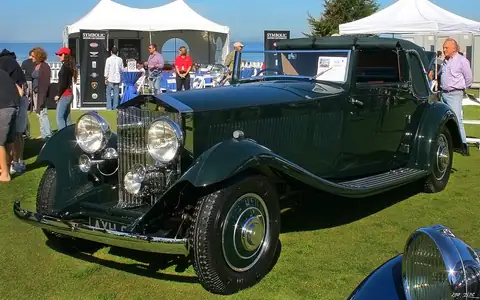 Rolls-Royce Phantom II Continental (Wikimedia Commons: 1933 Rolls-Royce Phantom II Continental Sedanca by Gurney Nutting)
Photo: Rex Gray · CC BY 2.0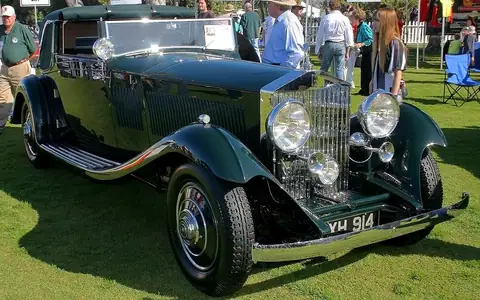 Rolls-Royce Phantom II Continental (Wikimedia Commons: 1933 Rolls-Royce Phantom II Continental Sedanca by Gurney Nutting)
Photo: Rex Gray from Southern California · CC BY 2.0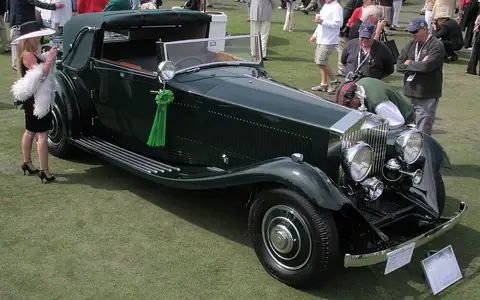 Rolls-Royce Phantom II Continental (Wikimedia Commons: 1933 Rolls-Royce Phantom II Continental Sedanca by Gurney Nutting)
Photo: Rex Gray from Southern California · CC BY 2.0


02Production & history
Production
Every figure says what it counts.
| What is counted | Figure | Basis | Status |
|---|---|---|---|
| Factory package productionPhantom II Continental chassis completed | 2811,2 | Factory production | Registry reported |
Independent counts (e.g. engine and colour) are never combined into a calculated figure. Surviving examples are never presented as original production.
History
The Phantom II was launched in 1929 and the Continental followed in 1930. It used the short 144-inch Phantom II chassis with a low frame and set-back radiator, plus revised rear suspension, a higher axle ratio and a lowered steering column. The 7,668cc six had a cross-flow head, and by the end of production the car was rated at 95mph. The Motor praised it in 1934 as powerful, docile and easy to control.
Variants
How each version differs from the standard Phantom II Continental.
No variants documented yet. Have a source? Contribute it.
03Specifications
Technical specifications
Engine
| Engine family | Not yet verified |
|---|---|
| Engine code | Not yet verified |
| Layout | Inline six built as two blocks of three, common aluminium cross-flow head3 Independently researched |
| Cylinders | 63 Independently researched |
| Displacement | 7,668 cc / 7.7 LFactory: 7,668 cc4 Independently researched |
| Bore | 108 mmFactory: 4.25 in · converted5 Independently researchedPhantom II engine; the Continental shared it. |
| Stroke | 140 mmFactory: 5.5 in · converted5 Independently researchedPhantom II engine; the Continental shared it. |
| Compression ratio | Increased over the standard Phantom II (value not given)1 Independently researched |
| Valvetrain | Crossflow cylinder head; Continental with higher-lift camshaft1 Independently researched |
| Fuel system | Not yet verified |
| Power | Not yet verified |
| Power at | Not yet verified |
| Torque | Not yet verified |
Transmission & drivetrain
| Gearbox | Gearbox in unit with the engine, synchromesh on third and top1 Independently researched |
|---|---|
| Gears | Not yet verified |
| Final drive | Taller rear-axle ratio than standard (value not given)1 Independently researched |
| Driven wheels | Not yet verified |
Chassis, body & dimensions
| Chassis | Channel steel side members with tubular cross members; engine and gearbox in unit5 Independently researched |
|---|---|
| Front suspension | Semi-elliptic springs with twin Hartford auxiliary dampers (Continental)1 Independently researched |
| Rear suspension | Semi-elliptic springs (cantilever springs dropped), flatter springs on Continental1 Independently researched |
| Brakes | Not yet verified |
| Steering | Raked steering column (Continental)1 Independently researched |
| Body construction | Not yet verified |
| Wheelbase | 3,660 mmFactory: 144 in · converted4 Independently researched |
| Length | Not yet verified |
| Width | Not yet verified |
| Height | Not yet verified |
| Front track | Not yet verified |
| Rear track | Not yet verified |
| Kerb weight | Not yet verified |
| Dry weight | Not yet verified |
Performance
| Maximum speed | 153 km/hFactory: 95 mph · converted4 Independently researched |
|---|---|
| 0–100 km/h | Not yet verified |
| Fuel tank | Not yet verified |
“Not yet verified” means no source has been checked for that value yet. Nothing is estimated to fill a gap.
04Colours & options
Factory colours & interiors
Original paint and trim, with the number of cars in each where a source gives it.
Not yet documented. Have a source? Contribute it.
Factory options & codes
Codes are shown exactly as written by the manufacturer.
Not yet documented. Have a source? Contribute it.
05Individual cars
Chassis register
Every documented car, with its colours, history and where it is now. Open a row for the full record. Known chassis are not automatically authenticated originals.
Not yet documented. Have a source? Contribute it.
Competition history
Every race result of the individual cars, in date order. Click a chassis number to open its full record in the register.
Not yet documented. Have a source? Contribute it.
Auction & sale history
Documented public sales of the individual cars. Click a chassis number to open its full record in the register.
Not yet documented. Have a source? Contribute it.
See one in person
Museums where an example of this car can be seen.
No example is documented on public display yet. Have a source? Contribute it.
06Reference
Identification guide
How to tell an original from a replica or later conversion.
A Phantom II Continental is built on the shorter 144-inch (12 ft) chassis, with all passengers within the wheelbase, special springs and often the spare wheel or wheels mounted at the rear. The first, chassis 26EX, was built at Derby in 1931 as a specially tuned car. Phantom II chassis were built only at Derby; left-hand-drive cars exist only in the AJS and AMS series exported to the USA in 1931-1933, most with Brewster bodies. The chassis frame uses channel steel side members with tubular cross members, and the engine and gearbox are in one unit.
Sources
Each number links to the exact facts it supports.
-
1
Rolls-Royce Phantom II Continental Level B conceptcarz.com
- Only 281 Phantom II Continental chassis were produced out of 1675 Phantom IIs
- modified engine with higher-lift camshaft and increased compression
- modern crossflow cylinder head; higher-lift camshaft
- engine and gearbox in unit; synchronized third and top gears
- a taller rear-axle ratio
- twin Hartford auxiliary dampers up front
- semi-elliptic units; lower stance due to flatter springs
- a raked steering column
-
2
DK Engineering vehicle archive – Rolls-Royce Phantom II Continental (1931) Level C
- 281 Phantom II Continental chassis completed
-
3
1935 Rolls-Royce Phantom II Level D conceptcarz.com
- two blocks of three cylinders, with an aluminum cylinder head common to both blocks
- two blocks of three cylinders
-
4
Vehicle Archive – Rolls Royce Phantom II Continental Level C DK Engineering
- 7,668cc
- short 144-inch Phantom II chassis
- rated at 95mph
-
5
Phantom II (model history) Level B Rolls-Royce Owners' Club (web archive copy)
- Engine dimensions ... 4 1/4 by 5 1/2 inches, displacing 468 cubic inches
- 4 1/4 by 5 1/2 inches
- channel steel side-members and tubular cross-members
Keep exploring
More from Rolls-Royce
-
Rolls-Royce · 1987
Phantom VI State Limousine (1986/87, No.4 State Car)
1 Built
-
Rolls-Royce · 2017
Sweptail
1 Built
-
Rolls-Royce · 2021–2022
Boat Tail
3 Built
-
Rolls-Royce
Phantom V State Landaulette (Mulliner Park Ward design 2052)
5 Built
See all 91 cars by Rolls-Royce →
More from United Kingdom
-
Bentley
Eight (1984-1992)
Production not yet verified
-
Alvis · 1937–1940
4.3 Litre short chassis
198 4.3 Litre total
-
Wolseley
Wasp
Production not yet verified
-
Aston Martin · 1986
V8 Vantage "X-Pack" (V580X)
137 Built
134 other makes from United KingdomACAiredaleAlan Mann RacingAllardAlvisArabArashArielArmstrong SiddeleyArrowsAscariAston MartinAtalantaAtlantisAustinAustin-HealeyBedfordBentleyBerkeleyBluebirdBMCBondBrabhamBristolBritish LeylandBroadspeedBrookeBrough SuperiorCampbell-RailtonCaparoCaterhamChevronConnaughtCooperCrayfordDaimlerDavid BrownDawsonDeLoreanDuttonAll makes →