Makes › Saab › 9-4X · Rare production · 2011 Very Rare
Saab
9-4X
Last new Saab model, built in Mexico before the bankruptcy
Still being researched: identification guide. Everything shown is checked against the cited sources. Know more? Send us a source.
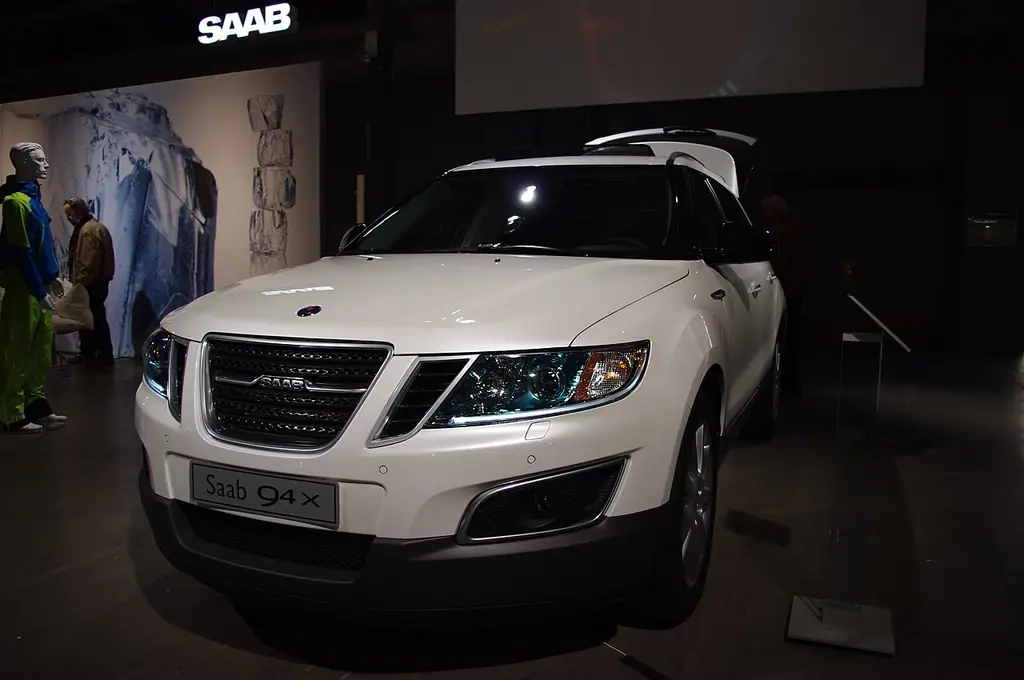
Photo: liftarn · CC BY-SA 2.0
Contents
01Overview
At a glance
- Built
- 814 Built
- Years
- 2011
- Engine
- Transverse V6 (3.0 L naturally aspirated; 2.8 L turbo in the Aero), aluminium block · 2,800 cc / 2.8 LFactory: 2.8 L
- Power
- 224 kW / 304 PSFactory: 300 hp · converted
- Top speed
- Not yet verified
- Body
- Not yet verified
- Designer
- Not yet verified
- In this archive
- Not yet verified
- Surviving
- Not yet verified
Sources and any conflicting figures are in the sections below.
Why it matters
The 9-4X was a compact crossover that Saab engineered from 2005 on the same front-drive architecture as the Cadillac SRX, and it was the first Saab built in Mexico, at GM's Ramos Arizpe plant. It reached the US market in mid-2011 and was the last new model Saab introduced before the company failed later that year.
How rare is it?
Six separate kinds of rarity – never combined into one number.
Each kind of rarity is rated separately and never combined.
Photos
Exterior, interior and detail photos with their licences.
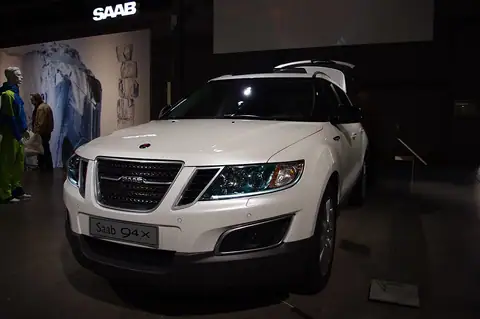 Saab 9-4X (Wikimedia Commons: Saab 9-4X)
Photo: liftarn · CC BY-SA 2.0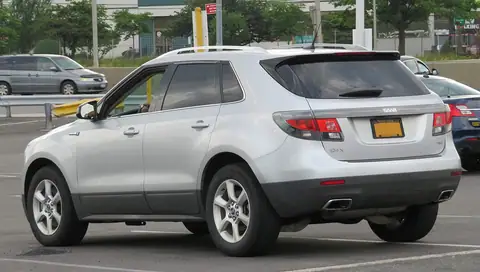 Saab 9-4X (Wikimedia Commons: Saab 9-4X)
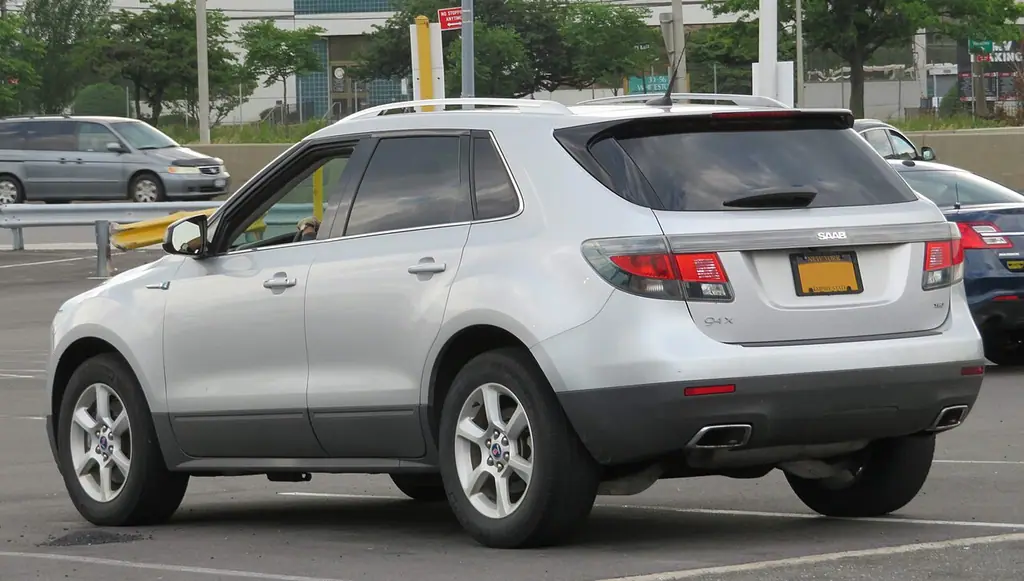
Photo: Kevauto · CC BY-SA 4.0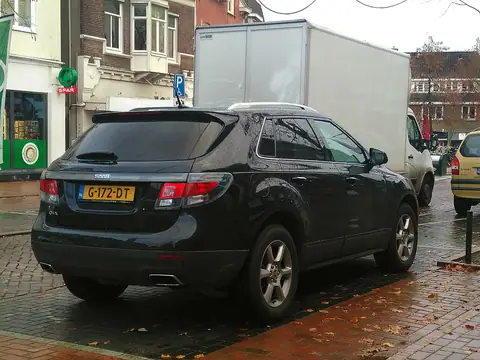 Saab 9-4X (Wikimedia Commons: Saab 9-4X)
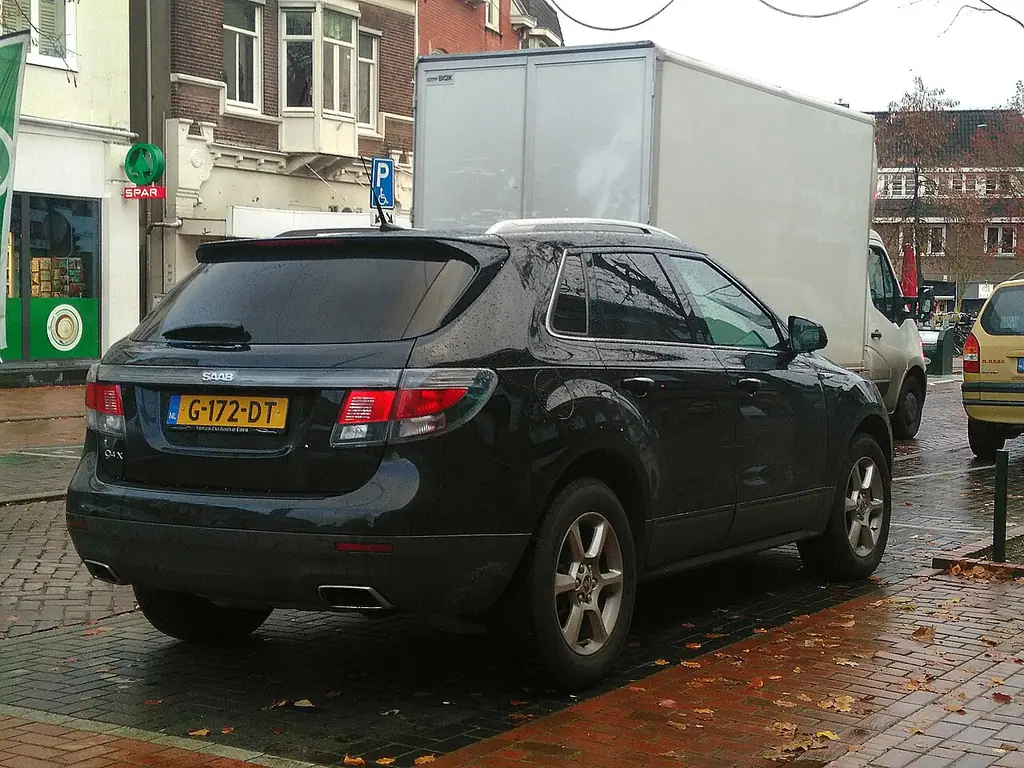
Photo: Dennis Elzinga · CC BY 2.0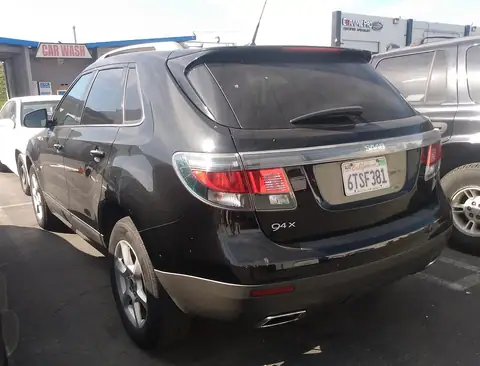 Saab 9-4X (Wikimedia Commons: Saab 9-4X)
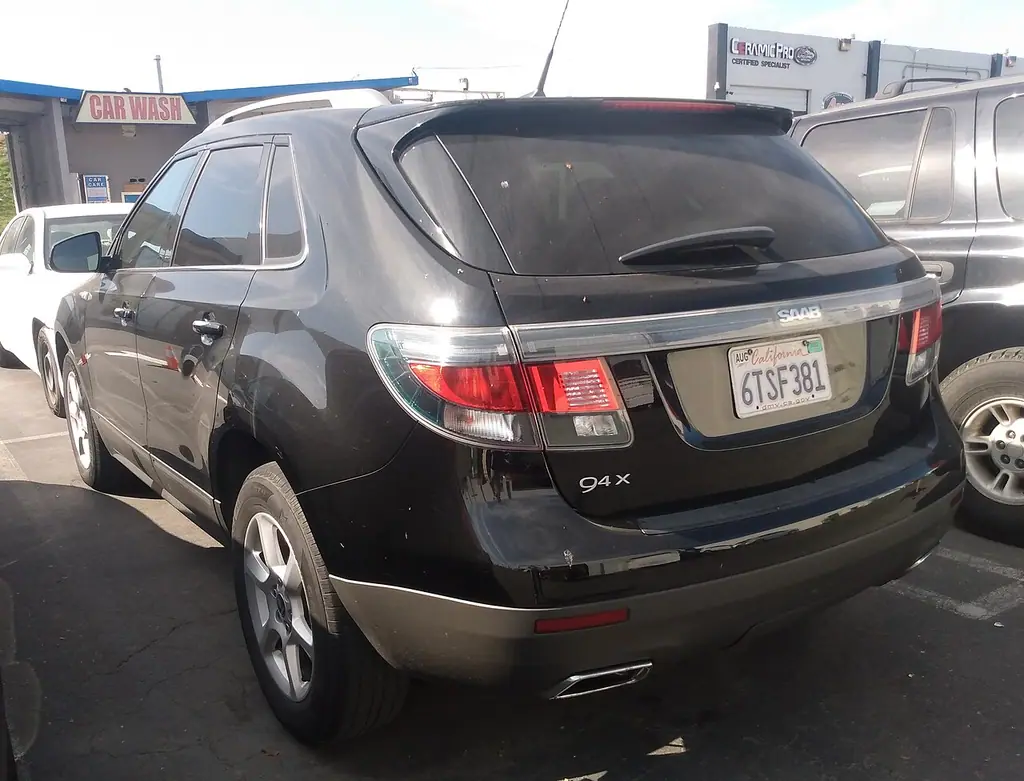
Photo: DestinationFearFan · CC BY-SA 4.0


02Production & history
Production
Every figure says what it counts.
| What is counted | Figure | Basis | Status |
|---|---|---|---|
| Total model productionexamples built at Ramos Arizpe | 8141 | Factory production | Independently researched |
Independent counts (e.g. engine and colour) are never combined into a calculated figure. Surviving examples are never presented as original production.
History
In 2007 the press reported that Saab would build a small SUV at GM's Ramos Arizpe plant in Mexico, sharing parts of the Epsilon II and Theta architectures with a planned Cadillac. By 2011 Saab was no longer a GM division, but engineer Peter Dorrich, who had led the architecture since 2005, still developed the vehicle with GM's approval, and production stayed in Mexico because Saab had little choice.
The car went on sale in May 2011 at $34,205 for the base 3.0i and $48,835 for the Aero. Jalopnik says production ended in November 2011 with fewer than 500 built, which conflicts with the 814 on this page.
Variants
How each version differs from the standard 9-4X.
No variants documented yet. Have a source? Contribute it.
03Specifications
Technical specifications
Engine
| Engine family | Not yet verified |
|---|---|
| Engine code | Not yet verified |
| Layout | Transverse V6 (3.0 L naturally aspirated; 2.8 L turbo in the Aero), aluminium block2 Independently researchedValues for the Aero with the 2.8-litre turbo V6; the base 3.0i has 265 hp and 223 lb-ft. |
| Displacement | 2,800 cc / 2.8 LFactory: 2.8 L2 Independently researchedValues for the Aero with the 2.8-litre turbo V6; the base 3.0i has 265 hp and 223 lb-ft. Base engine 2,997 cc per Jalopnik. |
| Bore | Not yet verified |
| Stroke | Not yet verified |
| Compression ratio | Not yet verified |
| Valvetrain | Four valves per cylinder, chain-driven overhead camshafts, variable valve timing on intake and exhaust2 Independently researched |
| Fuel system | Electronic engine management with electronic throttle control and direct ignition2 Independently researched |
| Induction | Turbocharged (Aero); base 3.0i naturally aspirated2 Independently researched |
| Power | 224 kW / 304 PSFactory: 300 hp · converted3 Independently researchedValues for the Aero with the 2.8-litre turbo V6; the base 3.0i has 265 hp and 223 lb-ft. R&T states 300 bhp at 5500 rpm. |
| Power at | 5,500 rpm2 Independently researched |
| Torque | 400 NmFactory: 295 lb-ft · converted3 Independently researchedValues for the Aero with the 2.8-litre turbo V6; the base 3.0i has 265 hp and 223 lb-ft. |
Transmission & drivetrain
| Gearbox | Six-speed automatic with manual selection via steering-wheel paddles2,3 Independently researched |
|---|---|
| Gears | 62 Independently researched |
| Driven wheels | Front-wheel drive (3.0i) or XWD all-wheel drive (standard on Aero), variable 90/10 to 10/90 front/rear3,2 Independently researched |
Chassis, body & dimensions
| Chassis | Front-drive unitary body on the architecture shared with the Cadillac SRX (Saab code TE)3 Independently researchedMagazines disagree whether the platform is GM Theta (R&T) or not (Saab engineer in C&D). |
|---|---|
| Front suspension | Adaptive DriveSense damping (normal/sport) on the Aero2 Independently researchedSprings and layout not given in the cached pages. |
| Rear suspension | Not yet verified |
| Brakes | Not yet verified |
| Steering | Not yet verified |
| Body construction | Not yet verified |
| Wheelbase | Not yet verified |
| Length | Not yet verified |
| Width | Not yet verified |
| Height | Not yet verified |
| Front track | Not yet verified |
| Rear track | Not yet verified |
| Kerb weight | 2,130 kgFactory: 4,700 lb · converted3 Independently researched"As much as" figure for the Aero. |
| Dry weight | Not yet verified |
Performance
| Maximum speed | Not yet verified |
|---|---|
| 0–100 km/h | Not yet verified |
| 0–60 mph | 7.7 s2 Independently researchedSaab claim for the 2.8T. |
| Fuel tank | Not yet verified |
“Not yet verified” means no source has been checked for that value yet. Nothing is estimated to fill a gap.
04Colours & options
Factory colours & interiors
Original paint and trim, with the number of cars in each where a source gives it.
Not yet documented. Have a source? Contribute it.
Factory options & codes
Codes are shown exactly as written by the manufacturer.
Not yet documented. Have a source? Contribute it.
05Individual cars
Chassis register
Every documented car, with its colours, history and where it is now. Open a row for the full record. Known chassis are not automatically authenticated originals.
Not yet documented. Have a source? Contribute it.
Competition history
Every race result of the individual cars, in date order. Click a chassis number to open its full record in the register.
Not yet documented. Have a source? Contribute it.
Auction & sale history
Documented public sales of the individual cars. Click a chassis number to open its full record in the register.
Not yet documented. Have a source? Contribute it.
See one in person
Museums where an example of this car can be seen.
No example is documented on public display yet. Have a source? Contribute it.
06Reference
Identification guide
How to tell an original from a replica or later conversion.
Not yet documented. Have a source? Contribute it.
Sources
Each number links to the exact facts it supports.
-
1
The most intersting treasures of the Saab museum – Autocar Level B
- 814 examples built at Ramos Arizpe
-
2
2012 Saab 9-4X review Level C Sam Mitani · Road & Track · 2011-05-01
- Both units are transversely-mounted; aluminium-block powerplant
- turbocharged 2.8-liter V-6 with 300 bhp
- four valves per cylinder operated by overhead, maintenance-free, chain-driven camshafts; Variable valve timing on both intake and exhaust sides
- electronic management, electronic throttle control, direct ignition
- 300 bhp at 5500 rpm and 295 lb.-ft. from 2000 and 5000
- mated to six-speed automatic transmissions
- six-speed automatic transmissions
- electronically-controlled limited-slip differential transfers up to 50 percent of torque between the left and right rear wheels
- In Aero trim, DriveSense, an adaptive chassis function which uses real time damping control
- Saab claims that the 9-4X will run from zero to 60 mph in 7.7 seconds
-
3
2011 Saab 9-4X test review Level C Tony Swan · Car and Driver · 2011-05-01
- 2.8-liter turbo V-6 (300 horsepower, 295 pound-feet)
- Aisin-Warner six-speed automatic transmission, operable in manumatic mode via paddle shifters
- offered in front- and four-wheel drive; power split is 90/10, front to rear, but it can vary to as much as 10/90
- front-drive architecture that's the foundation for the SRX and the 9-4X; official code at Saab is TE
- heavy-as much as 4700 pounds in top-of-the-line Aero trim
Keep exploring
More from Saab
-
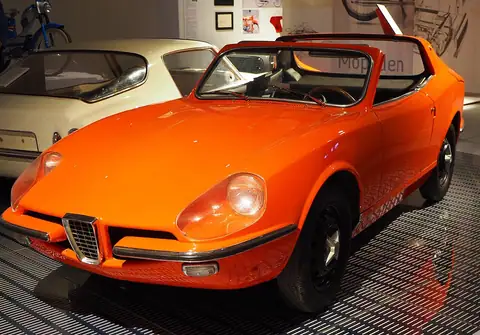
Saab · 1964–1965
Catherina prototype (Sixten Sason)
1 Built
-
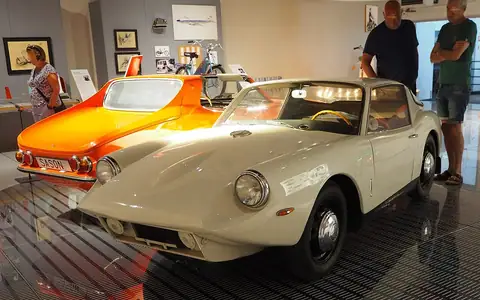
Saab · 1964–1965
MFI13
1 Built
-
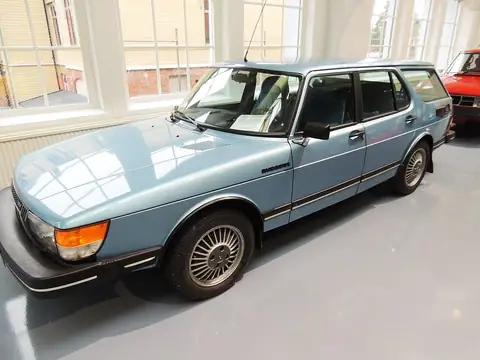
Saab · 1981
900 Safari (Nilssons estate)
2 Built
-
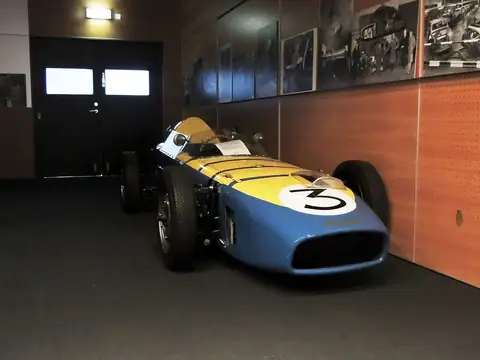
Saab · 1960
Formula Junior
2 Built
More from Sweden
-
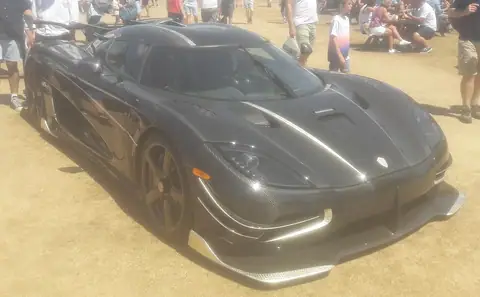
Koenigsegg · 2016–2018
Agera Final Edition (One of 1 / Thor / Väder)
3 Built
-
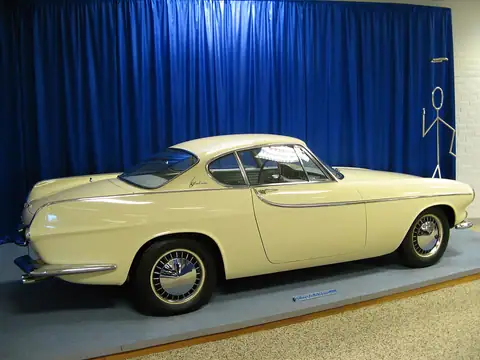
Volvo · 1957–1960
P1800 prototypes (Frua P958-X1/X2/X3 and Jensen X1PP–X3PP)
6 Built
-
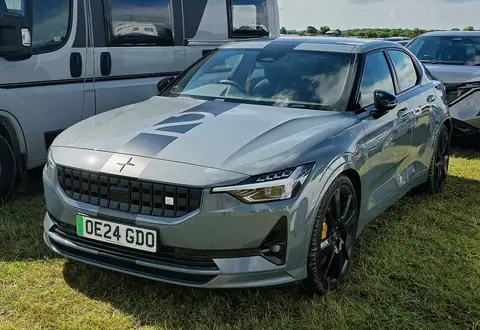
Polestar
2 BST Edition 270 (2022)
Production not yet verified
-
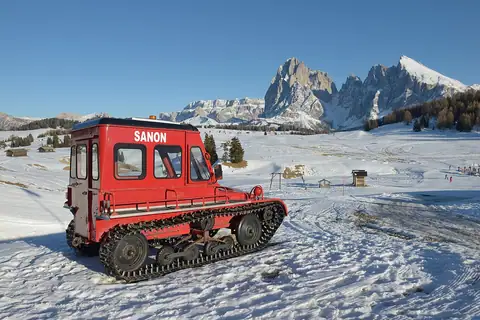
Snow Trac · 1957–1980
Snow Trac
Production not yet verified
7 other makes from SwedenJosse CarKoenigseggLeopardOBCPolestarSnow TracVolvo