Makes › Aston Martin › Works team › Works team cars LM1 & LM2 · Factory competition · 1928 Ultra Rare
Aston Martin
Works team cars LM1 & LM2
First Bertelli-era works racing cars (1928 Le Mans entries), later rebodied as demonstrators
Still being researched: full specifications. Everything shown is checked against the cited sources. Know more? Send us a source.
Contents
01Overview
At a glance
- Built
- 2 Built
- Years
- 1928
- Engine
- Four-cylinder, single overhead camshaft, dry sump · 1,500 cc / 1.5 LFactory: 1.5 L
- Power
- 47 kW / 63.9 PSFactory: 63 hp · converted
- Top speed
- Not yet verified
- Body
- Not yet verified
- Designer
- A. C. (Bert) Bertelli; coachwork by Harry (Enrico) Bertelli
- In this archive
- Not yet verified
- Surviving
- Not yet verified
Sources and any conflicting figures are in the sections below.
Why it matters
LM1 and LM2 were the first two Aston Martin works team cars, built for the 1928 season by A. C. (Bert) Bertelli. The LM prefix was given to works racing cars to distinguish them from production cars, and the lessons from racing them fed directly into the production cars.
How rare is it?
Six separate kinds of rarity – never combined into one number.
Each kind of rarity is rated separately and never combined.
02Production & history
Production
Every figure says what it counts.
| What is counted | Figure | Basis | Status |
|---|---|---|---|
| Total model productionWorks racing cars developed by Bertelli for the 1928 season (LM1 and LM2) | 21,2 | Factory production | Independently researched |
Independent counts (e.g. engine and colour) are never combined into a calculated figure. Surviving examples are never presented as original production.
History
Bertelli built the two cars with lightened components, lightweight Harry Bertelli three-seater coachwork and a dry-sump engine giving up to 63 bhp. Both started the 1928 Le Mans 24 Hours and retired: LM1 after damaging its rear axle on lap 31 and LM2 with a broken gearbox after 18 hours. The team still won the Rudge-Whitworth prize of 1,000 francs for the fastest cars over the first 20 laps.
Back in Britain LM2 was rebuilt and used as a works demonstrator, then entered with the new LM3 in the 1929 Brooklands Double Twelve. Both cars were soon rebodied to smarten them up as demonstrators.
Variants
How each version differs from the standard Works team cars LM1 & LM2.
No variants documented yet. Have a source? Contribute it.
03Specifications
Technical specifications
Engine
| Engine family | Not yet verified |
|---|---|
| Engine code | Not yet verified |
| Layout | Four-cylinder, single overhead camshaft, dry sump3 Independently researched |
| Cylinders | 44 Independently researched |
| Displacement | 1,500 cc / 1.5 LFactory: 1.5 L4 Independently researched |
| Bore | Not yet verified |
| Stroke | Not yet verified |
| Compression ratio | Not yet verified |
| Valvetrain | Single overhead camshaft, 8 valves, chain-driven3 Independently researchedMotor Sport describes the Renwick & Bertelli 1.5-litre engine generally. |
| Fuel system | Not yet verified |
| Power | 47 kW / 63.9 PSFactory: 63 hp · converted1 Independently researchedStated as 'up to' 63 bhp. |
| Power at | Not yet verified |
| Torque | Not yet verified |
Transmission & drivetrain
| Gearbox | Not yet verified |
|---|---|
| Gears | Not yet verified |
| Driven wheels | Not yet verified |
Chassis, body & dimensions
| Chassis | Not yet verified |
|---|---|
| Front suspension | Not yet verified |
| Rear suspension | Not yet verified |
| Brakes | Not yet verified |
| Steering | Not yet verified |
| Body construction | Not yet verified |
| Wheelbase | Not yet verified |
| Length | Not yet verified |
| Width | Not yet verified |
| Height | Not yet verified |
| Front track | Not yet verified |
| Rear track | Not yet verified |
| Kerb weight | Not yet verified |
| Dry weight | Not yet verified |
Performance
| Maximum speed | Not yet verified |
|---|---|
| 0–100 km/h | Not yet verified |
| Fuel tank | Not yet verified |
“Not yet verified” means no source has been checked for that value yet. Nothing is estimated to fill a gap.
04Colours & options
Factory colours & interiors
Original paint and trim, with the number of cars in each where a source gives it.
Not yet documented. Have a source? Contribute it.
Factory options & codes
Codes are shown exactly as written by the manufacturer.
Not yet documented. Have a source? Contribute it.
05Individual cars
Chassis register
Every documented car, with its colours, history and where it is now. Open a row for the full record. Known chassis are not automatically authenticated originals.
Not yet documented. Have a source? Contribute it.
Competition history
Every race result of the individual cars, in date order. Click a chassis number to open its full record in the register.
Not yet documented. Have a source? Contribute it.
Auction & sale history
Documented public sales of the individual cars. Click a chassis number to open its full record in the register.
Not yet documented. Have a source? Contribute it.
See one in person
Museums where an example of this car can be seen.
No example is documented on public display yet. Have a source? Contribute it.
06Reference
Identification guide
How to tell an original from a replica or later conversion.
Genuine works cars carry the LM prefix to the chassis number (LM1, LM2). Distinguishing details are the lightweight three-seater body by Harry Bertelli, the dry-sump 1.5-litre four-cylinder engine, and parts lightened by machining or remaking in lighter materials: about 6 lb was machined off the front axle forging alone, with aluminium replacing bronze and 'Electron' replacing aluminium in places.
Sources
Each number links to the exact facts it supports.
-
1
Team cars LM1 to LM7 Level B Ecurie Bertelli
- two works racing cars for the 1928 season; LM1 and LM2
- dry sump engine now giving up to 63 bhp
-
2
Ecurie Bertelli – Team cars LM1–LM7 Level B
- 2 Works racing cars developed by Bertelli for the 1928 season (LM1 and LM2)
-
3
The 1931 Aston Martin team cars (May 1980) Level B Motor Sport magazine
- dry-sump lubrication... 1½-litre, four-cylinder
- eight valves were overhead... single overhead camshaft
-
4
90 years of racing passion - the story of the Aston Martin LM2 Level B PreWarCar
- 1.5-litre, four-cylinder engine
Keep exploring
More from Aston Martin
-
Aston Martin · 1939–1940
Atom
1 Built
-
Aston Martin · 2013
DB9 Spyder Zagato Centennial
1 Built
-
Aston Martin · 1962
DP212
1 Built
-
Aston Martin · 1963
DP215
1 Built
See all 183 cars by Aston Martin →
More from United Kingdom
-
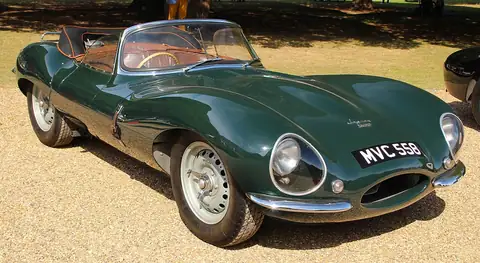
Jaguar · 1957
XKSS
16 Built
-
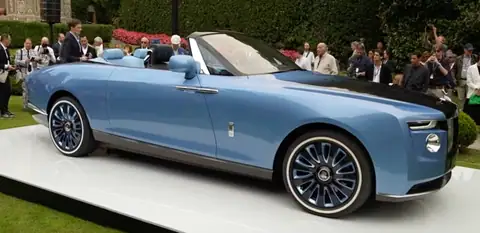
Rolls-Royce · 2021–2022
Boat Tail
3 Built
-
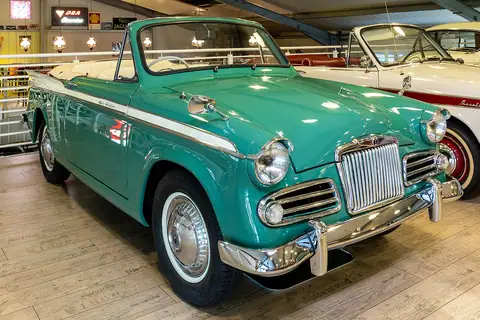
Sunbeam
Rapier (first series)
Production not yet verified
-
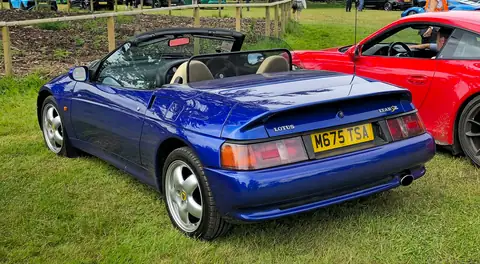
Lotus · 1989–1995
Elan M100
Production not yet verified
134 other makes from United KingdomACAiredaleAlan Mann RacingAllardAlvisArabArashArielArmstrong SiddeleyArrowsAscariAtalantaAtlantisAustinAustin-HealeyBedfordBentleyBerkeleyBluebirdBMCBondBrabhamBristolBritish LeylandBroadspeedBrookeBrough SuperiorCampbell-RailtonCaparoCaterhamChevronConnaughtCooperCrayfordDaimlerDavid BrownDawsonDeLoreanDuttonElvaAll makes →