Makes › BMW › M1 (E26) · Factory competition · 1978–1981 Very Rare
BMW
M1 (E26)
BMW's only mid-engined homologation supercar, also the basis of the Procar series
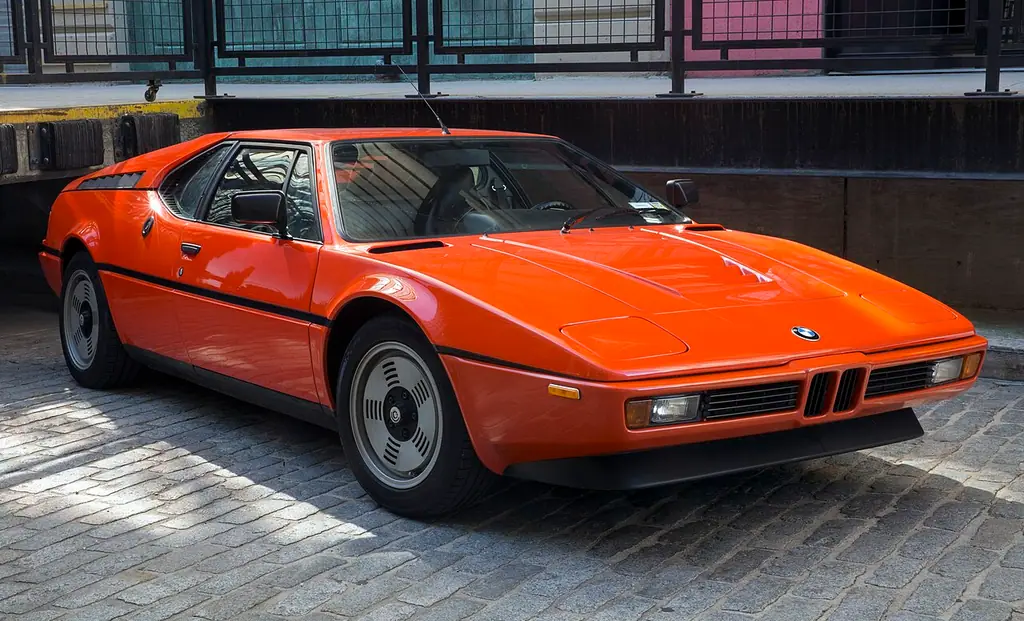
Photo: Mr.choppers · CC BY-SA 3.0
Contents
01Overview
At a glance
- Built
- 453 Built
- Years
- 1978–1981
- Engine
- DOHC inline-six, four valves per cylinder · 3,453 cc / 3.5 LFactory: 3,453 cc
- Power
- 207 kW / 281 PSFactory: 277 hp · converted
- Top speed
- 262 km/hFactory: 163 mph · converted
- Body
- Not yet verified
- Designer
- Giorgetto Giugiaro (Italdesign)
- In this archive
- Not yet verified
- Surviving
- Not yet verified
Sources and any conflicting figures are in the sections below.
Why it matters
The M1 was BMW's only mid-engined production supercar and BMW Motorsport's first dedicated road car, built to homologate a racer and also used for the 1979–1980 Procar series. Its M88 twin-cam six went on to power later M road cars such as the M635CSi and M5.
How rare is it?
Six separate kinds of rarity – never combined into one number.
Each kind of rarity is rated separately and never combined.
Photos
Exterior, interior and detail photos with their licences.
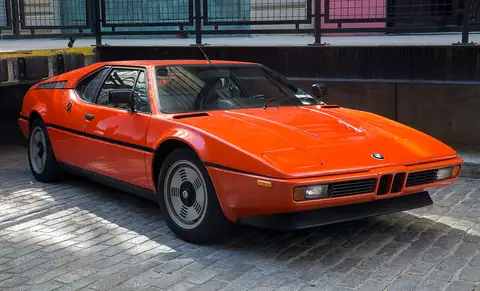 BMW M1 (Wikipedia article: BMW M1)
Photo: Mr.choppers · CC BY-SA 3.0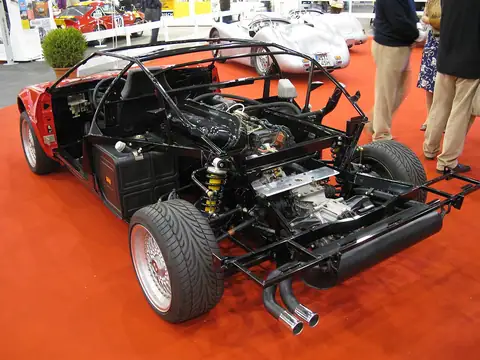 BMW M1 (Wikipedia article: BMW M1)
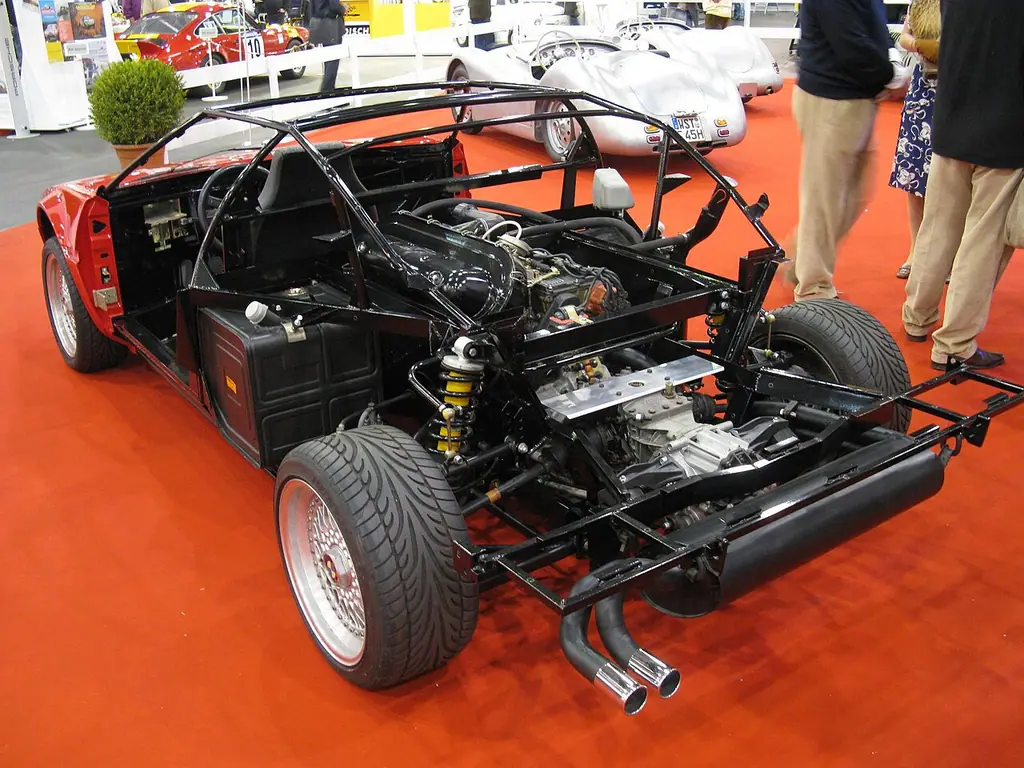
Photo: nakhon100 · CC BY 2.0


02Production & history
Production
Every figure says what it counts.
| What is counted | Figure | Basis | Status |
|---|---|---|---|
| Total model productiontotal units built (about 399–400 road cars, 53 competition) | 4531 | Factory production | Independently researched |
Independent counts (e.g. engine and colour) are never combined into a calculated figure. Surviving examples are never presented as original production.
History
Styled by Giugiaro's Italdesign, the M1 was first to be engineered and built with Lamborghini, but Lamborghini's financial problems ended the partnership. BMW then had the spaceframe made in Italy, the fibreglass panels by a specialist, body and interior fitted by Italdesign and final assembly done in Germany. Introduced in 1978, it was produced until about 1981. The Procar series ran alongside European Formula One races in 1979 and 1980 with drivers such as Lauda and Piquet.
Variants
How each version differs from the standard M1 (E26).
No variants documented yet. Have a source? Contribute it.
03Specifications
Technical specifications
Engine
| Engine family | Not yet verified |
|---|---|
| Engine code | M88/12 Independently researched |
| Layout | DOHC inline-six, four valves per cylinder2 Independently researched |
| Displacement | 3,453 cc / 3.5 LFactory: 3,453 cc2 Independently researched |
| Bore | 93.4 mmFactory: 93.4 mm3 Independently researched |
| Stroke | 84 mmFactory: 84 mm3 Independently researched |
| Compression ratio | 9.0:13 Independently researched |
| Valvetrain | DOHC, four valves per cylinder; dry sump3 Independently researched |
| Fuel system | Kugelfischer PL06 mechanical fuel injection2 Independently researched |
| Power | 207 kW / 281 PSFactory: 277 hp · converted2 Independently researched |
| Power at | 6,500 rpm3 Independently researched |
| Torque | Not yet verified |
Transmission & drivetrain
| Manufacturer | ZF3 Independently researched |
|---|---|
| Gearbox | Five-speed ZF manual2 Independently researched |
| Gears | 53 Independently researched |
| Driven wheels | Rear2 Independently researched |
Chassis, body & dimensions
| Chassis | Square-section steel-tube spaceframe, built by Marchesi to a Lamborghini design3 Independently researched |
|---|---|
| Front suspension | Fully adjustable unequal-length wishbones, coil springs, gas-filled Bilstein dampers, 23 mm anti-roll bar3 Independently researched |
| Rear suspension | Fully adjustable unequal-length wishbones, coil springs, gas-filled Bilstein dampers, 19 mm anti-roll bar3 Independently researched |
| Brakes | Servo-assisted ventilated discs front, solid discs rear, split circuit, Bosch ABS3 Independently researched |
| Steering | Not yet verified |
| Body construction | Glassfibre body, bonded to the chassis3 Independently researched |
| Wheelbase | Not yet verified |
| Length | Not yet verified |
| Width | Not yet verified |
| Height | Not yet verified |
| Front track | Not yet verified |
| Rear track | Not yet verified |
| Kerb weight | Not yet verified |
| Dry weight | Not yet verified |
Performance
| Maximum speed | 262 km/hFactory: 163 mph · converted3 Independently researchedClassic & Sports Car (S2) gives 162 mph. |
|---|---|
| 0–100 km/h | Not yet verified |
| 0–60 mph | 5.5 s3 Independently researched |
| Fuel tank | Not yet verified |
“Not yet verified” means no source has been checked for that value yet. Nothing is estimated to fill a gap.
04Colours & options
Factory colours & interiors
Original paint and trim, with the number of cars in each where a source gives it.
Not yet documented. Have a source? Contribute it.
Factory options & codes
Codes are shown exactly as written by the manufacturer.
Not yet documented. Have a source? Contribute it.
05Individual cars
Chassis register
Every documented car, with its colours, history and where it is now. Open a row for the full record. Known chassis are not automatically authenticated originals.
Not yet documented. Have a source? Contribute it.
Competition history
Every race result of the individual cars, in date order. Click a chassis number to open its full record in the register.
Not yet documented. Have a source? Contribute it.
Auction & sale history
Documented public sales of the individual cars. Click a chassis number to open its full record in the register.
Not yet documented. Have a source? Contribute it.
See one in person
Museums where an example of this car can be seen.
No example is documented on public display yet. Have a source? Contribute it.
06Reference
Identification guide
How to tell an original from a replica or later conversion.
Period factory or competition provenance is essential. Road cars converted to Procar-style bodywork are not equivalent to genuine Procar chassis, and modern Group 4/5 recreations should not be mistaken for period cars. For road cars, check that engine, gearbox, body and interior are original and that paint matches factory records.
Sources
Each number links to the exact facts it supports.
-
1
Sports Car Market: Buyer's Guide to the BMW M1 Level C
- 453 total units built (about 399–400 road cars, 53 competition)
-
2
BMW M1 Level C Sports Car Market
- The M88/1 is a 3,453-cc DOHC inline-six
- DOHC inline-six with four valves per cylinder
- 3,453-cc DOHC inline-six
- Kugelfischer PL06 mechanical fuel injection
- about 277 hp in European trim
- A five-speed ZF manual
- sent power to the rear wheels
-
3
BMW M1 (E26) part 1 Level C QV500.com, via Wayback Machine
- bore and stroke measurements of 93.4 x 84mm
- 93.4 x 84mm
- Compression was set at 9.0:1
- dual overhead camshafts and a four-valve cylinder head
- 277bhp at 6500rpm
- five-speed ZF gearbox
- Lamborghini-designed square section steel-tubed spaceframe
- fully adjustable unequal length wishbones with coil springs
- anti-roll bars front and rear (23mm and 19mm respectively)
- ventilated discs at the front and solid items at the rear
- fabrication taking place in glassfibre ... bonded to the chassis
- Top speed was 163mph
- 0-60 took just 5.5 seconds
Keep exploring
More from BMW
-
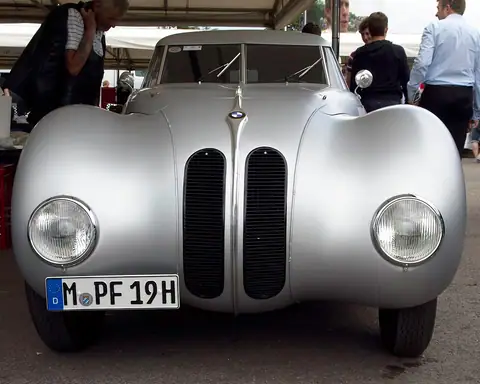
BMW · 1940
328 Kamm Coupé
1 Built
-
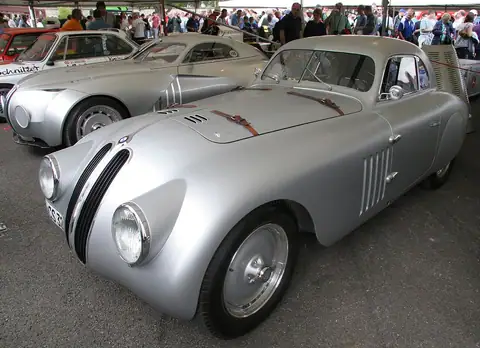
BMW · 1939–1940
328 Mille Miglia Touring Coupé (Berlinetta)
1 Built
-
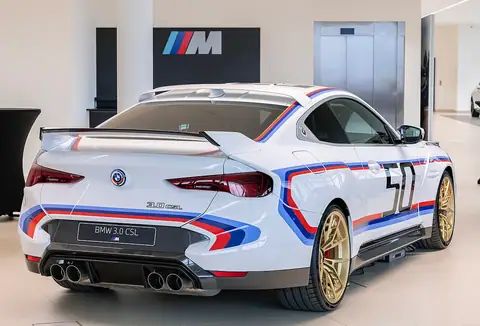
BMW · 2023
3.0 CSL (G82-based, 2023)
50 Built
-
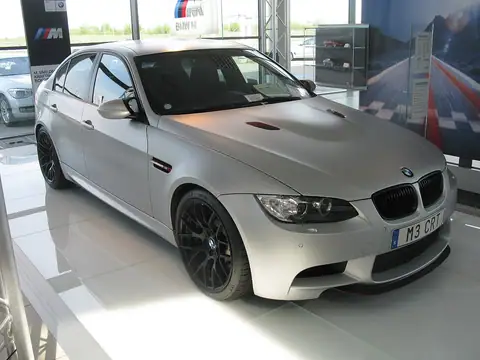
BMW
M3 CRT (E90)
67 Built
More from Germany
-
Mercedes-Benz
SLK 2LOOK Edition (R171)
300 Built
-
DKW
DKW Typ P (1928-1929)
Production not yet verified
-
Porsche · 1986–1987
961
1 Built
-
RUF · 2004–2009
Rt 12
Production not yet verified
75 other makes from Germany9ffAdlerAgria-WerkeAlbertAMGAMOAmphicarApolloArtegaAudiAuto UnionAutomobili PininfarinaBayerische AutowerkeBenzBenz & Cie.BitterBohseBoldmenBorgwardBrabusBrennaborBrütschCarlssonChampionDaimler-Motoren-GesellschaftDauerDKWFMR (Messerschmitt)FuldamobilGemballaGepardGlasGoggomobilGoliathGumpertGutbrodHanomagHeinkelHorchHWAAll makes →