Makes › Jaguar › E-type › E-type Lightweight (original) · Factory competition · 1963–1964 Ultra Rare
Jaguar
E-type Lightweight (original)
Factory all-aluminium competition E-types with alloy-block engine; original target 18.
Still being researched: full specifications. Everything shown is checked against the cited sources. Know more? Send us a source.
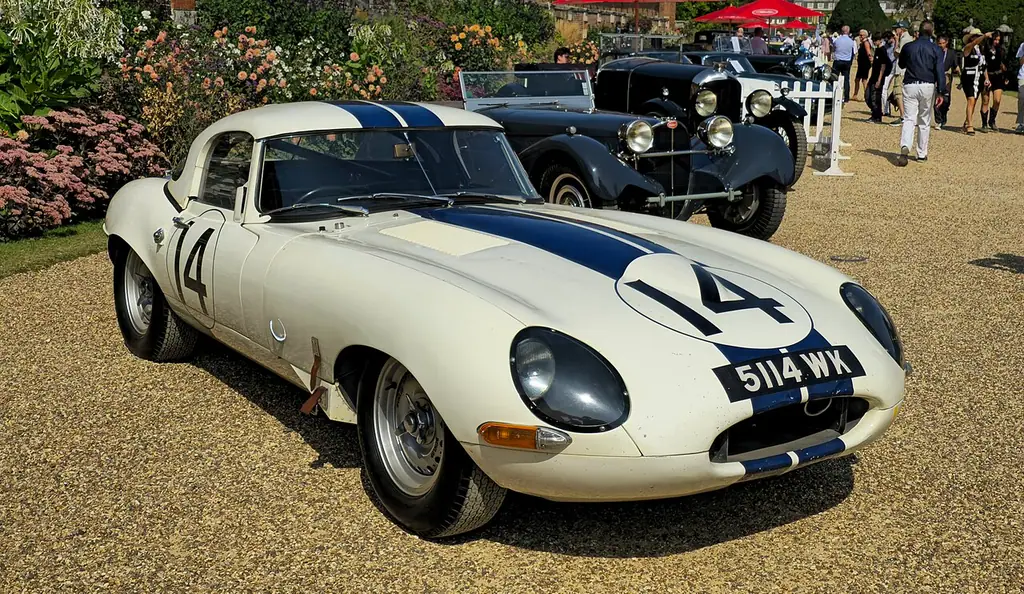
Photo: Calreyn88 · CC BY-SA 4.0
Contents
01Overview
At a glance
- Built
- 10 Built
- Years
- 1963–1964
- Engine
- Front-mounted DOHC all-alloy inline six, Lucas fuel injection · 3,781 cc / 3.8 LFactory: 3,781 cc
- Power
- 218 kW / 297 PSFactory: 293 hp · converted
- Top speed
- Not yet verified
- Body
- Not yet verified
- Designer
- Malcolm Sayer
- In this archive
- Not yet verified
- Surviving
- Not yet verified
Sources and any conflicting figures are in the sections below.
Why it matters
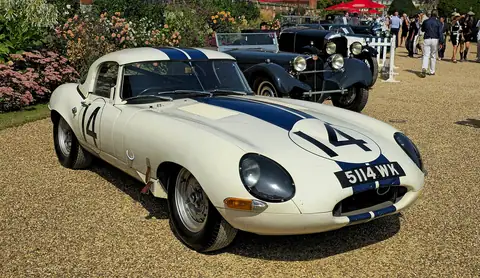
The Lightweight E-type was Jaguar's factory competition version of the E-type, with aluminium body and hardtop and an all-alloy, fuel-injected 3.8-litre six. Eighteen were planned but only 12 were built, making the originals among the most valuable Jaguars.
How rare is it?
Six separate kinds of rarity – never combined into one number.
Each kind of rarity is rated separately and never combined.
Photos
Exterior, interior and detail photos with their licences.
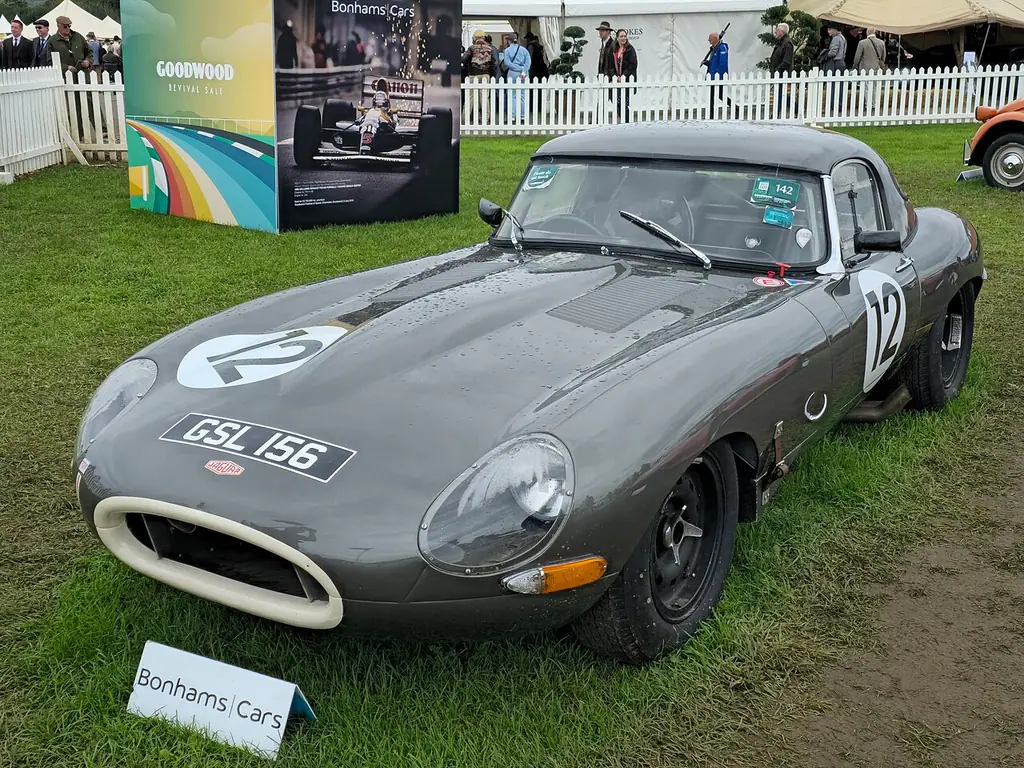
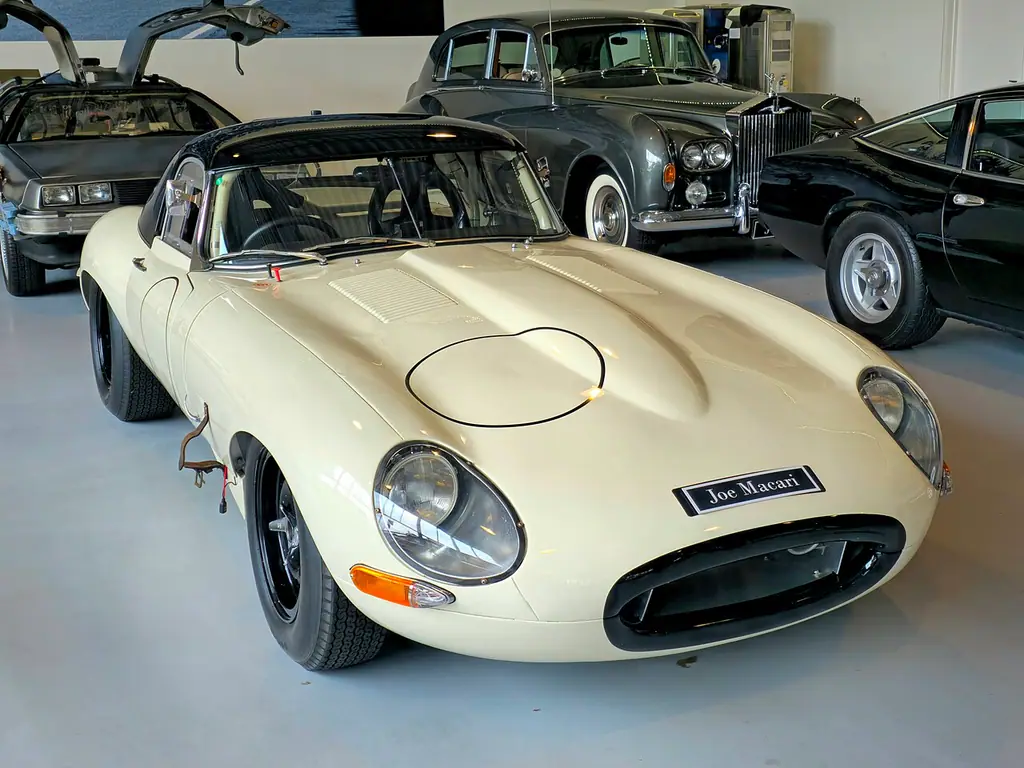
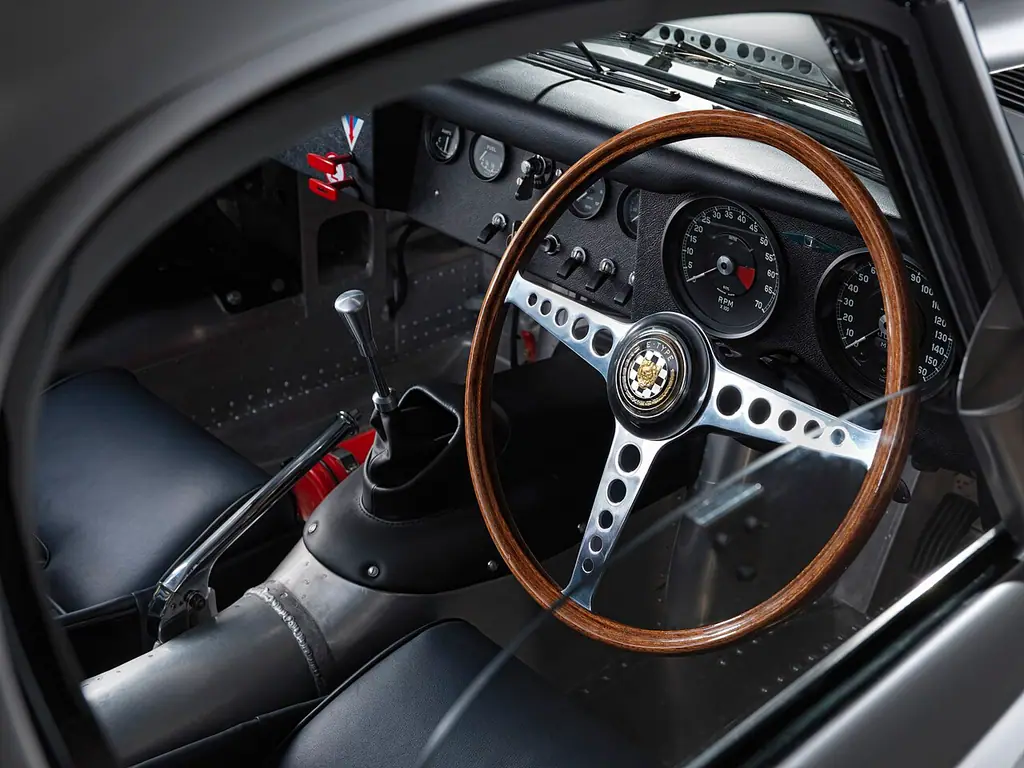
 Jaguar E-type Lightweight (original) (Wikimedia Commons: Jaguar E-Type Lightweight Roadster)
Photo: Calreyn88 · CC BY-SA 4.0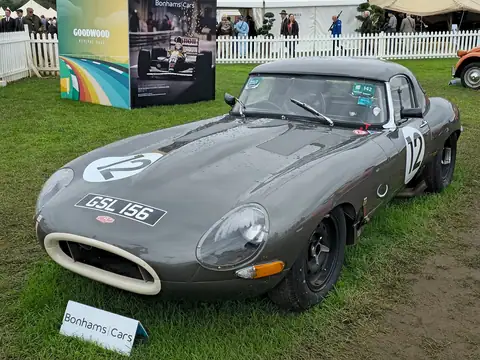 Jaguar E-type Lightweight (original) (Wikimedia Commons: Jaguar E-Type Lightweight Roadster)
Photo: Calreyn88 · CC0 1.0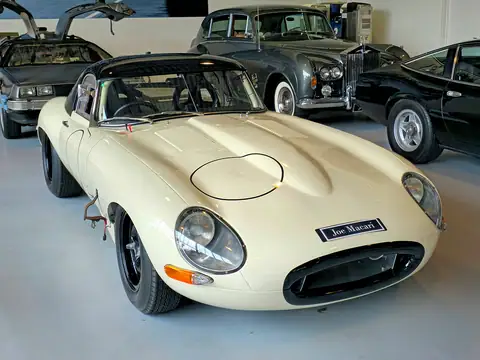 Jaguar E-type Lightweight (original) (Wikimedia Commons: Jaguar E-Type Lightweight Roadster)
Photo: Calreyn88 · CC0 1.0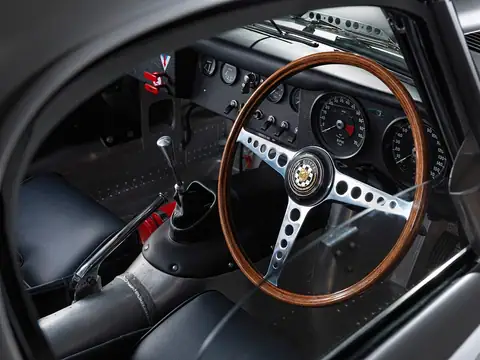 Jaguar E-type Lightweight (original) (Wikimedia Commons: Jaguar E-Type Lightweight Roadster)
Photo: Jaguar MENA · CC BY 2.0


02Production & history
Production
Every figure says what it counts.
| What is counted | Figure | Basis | Status |
|---|---|---|---|
| Total model productionLightweight roadsters built 1963-1964 per Ultimatecarpage; earlier research has 12 factory Lightweights | 101,2 | Factory production | Registry reported |
Independent counts (e.g. engine and colour) are never combined into a calculated figure. Surviving examples are never presented as original production.
History
Following an engineering memo of March 1961, building of the cars began in October 1962 and the first two were ready for Sebring in March 1963. Malcolm Sayer's revised coachwork, developed through the Low-Drag Coupé, was combined with a fuel-injected all-alloy engine. The programme ran into 1964 and stopped at 12 cars; in 2014–15 Jaguar completed the six unused chassis numbers as 'The Missing Six'.
Variants
How each version differs from the standard E-type Lightweight (original).
No variants documented yet. Have a source? Contribute it.
03Specifications
Technical specifications
Engine
| Engine family | Not yet verified |
|---|---|
| Engine code | Not yet verified |
| Layout | Front-mounted DOHC all-alloy inline six, Lucas fuel injection3 Independently researched |
| Displacement | 3,781 cc / 3.8 LFactory: 3,781 cc3 Independently researched |
| Bore | Not yet verified |
| Stroke | Not yet verified |
| Compression ratio | Not yet verified |
| Fuel system | Lucas fuel injection1 Independently researched |
| Power | 218 kW / 297 PSFactory: 293 hp · converted3 Independently researchedSource states bhp. |
| Power at | 5,750 rpm3 Independently researched |
| Torque | Not yet verified |
Transmission & drivetrain
| Gearbox | Four-speed close-ratio manual3 Independently researched |
|---|---|
| Gears | 51 Independently researched |
| Driven wheels | rear1 Independently researched |
Chassis, body & dimensions
| Chassis | Steel monocoque retained from the road car (to keep GT homologation)1 Independently researched |
|---|---|
| Front suspension | Not yet verified |
| Rear suspension | Not yet verified |
| Brakes | Not yet verified |
| Steering | Not yet verified |
| Body construction | All-aluminium body1 Independently researched |
| Wheelbase | Not yet verified |
| Length | Not yet verified |
| Width | Not yet verified |
| Height | Not yet verified |
| Front track | Not yet verified |
| Rear track | Not yet verified |
| Kerb weight | Not yet verified |
| Dry weight | Not yet verified |
Performance
| Maximum speed | Not yet verified |
|---|---|
| 0–100 km/h | Not yet verified |
| Fuel tank | Not yet verified |
“Not yet verified” means no source has been checked for that value yet. Nothing is estimated to fill a gap.
04Colours & options
Factory colours & interiors
Original paint and trim, with the number of cars in each where a source gives it.
Not yet documented. Have a source? Contribute it.
Factory options & codes
Codes are shown exactly as written by the manufacturer.
Not yet documented. Have a source? Contribute it.
05Individual cars
Chassis register
Every documented car, with its colours, history and where it is now. Open a row for the full record. Known chassis are not automatically authenticated originals.
Not yet documented. Have a source? Contribute it.
Competition history
Every race result of the individual cars, in date order. Click a chassis number to open its full record in the register.
Not yet documented. Have a source? Contribute it.
Auction & sale history
Documented public sales of the individual cars. Click a chassis number to open its full record in the register.
Not yet documented. Have a source? Contribute it.
See one in person
Museums where an example of this car can be seen.
No example is documented on public display yet. Have a source? Contribute it.
06Reference
Identification guide
How to tell an original from a replica or later conversion.
The chassis number's only Lightweight signifier is its S prefix (e.g. S850667, the 10th of 12). Originals have aluminium body and hardtop and an all-alloy, Lucas fuel-injected 3,781 cc engine, though most survivors now run reproduction alloy blocks. The six 2014–15 'Missing Six' cars are later continuations, not originals.
Sources
Each number links to the exact facts it supports.
-
1
1963 - 1964 Jaguar E-Type Lightweight Roadster Level B Wouter Melissen · Ultimatecarpage.com
- Numbers built: 10
- The revised 3.8 litre engine was also fitted with Lucas fuel injection
- five-speed, close-ratio gearbox
- All of this was transferred to the rear wheels
- the steel monocoque was retained
- fabricated completely from aluminium
-
2
Ex Bob Jane 1963 Australian GT Championship winning Jaguar E-type sells for US $ 7,370,000 | Racecar Level C
- 12 original factory Lightweights built
-
3
Ex Bob Jane 1963 Australian GT Championship winning Jaguar E-type sells for US $7,370,000 Level C Racecar.com · 2017-01-21
- 3,781cc DOHC all-alloy six-cylinder
- 293bhp at 5,750rpm
- four-speed manual close-ratio gearbox
Keep exploring
More from Jaguar
-
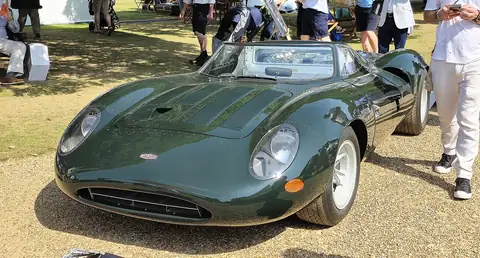
Jaguar · 1966
XJ13
1 Built
-
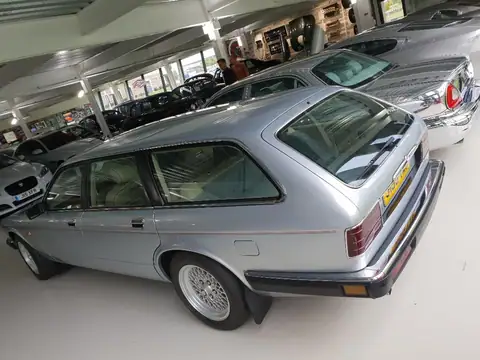
Jaguar · 1992
XJ40 Prototype Shooting Brake (J199 TAC)
1 Built
-
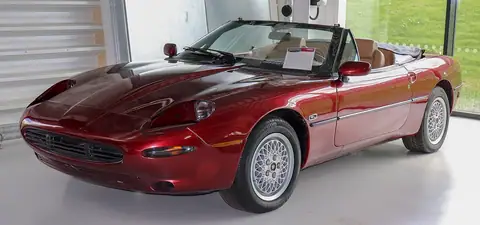
Jaguar · 1988
XJ42 prototype (convertible)
1 Built
-
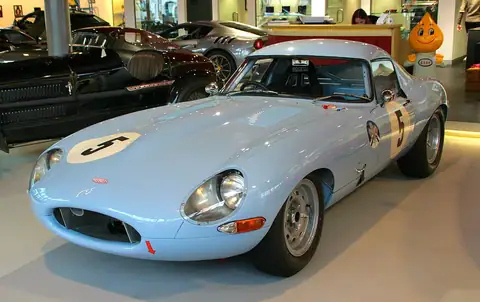
Jaguar · 1962
E-type Low Drag Coupé (CUT 7)
2 Built
More from United Kingdom
-
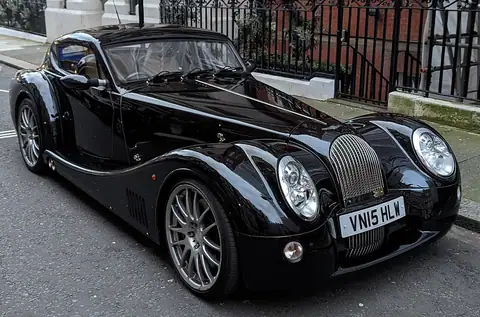
Morgan
Aero SuperSports
Production not yet verified
-
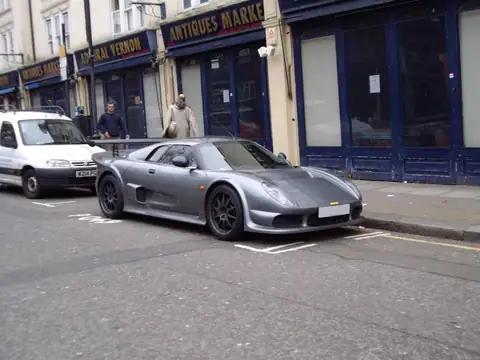
Noble
M400 (2003-2008)
Production not yet verified
-
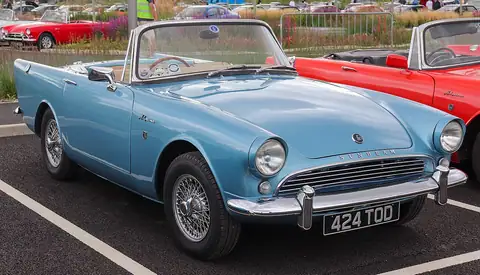
Sunbeam
Alpine Series III
Production not yet verified
-
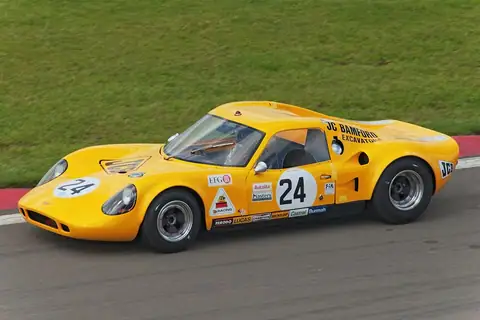
Chevron · 1968–1970
B8
44 Built
131 other makes from United KingdomACAiredaleAlan Mann RacingAllardAlvisArabArashArielArmstrong SiddeleyArrowsAscariAston MartinAtalantaAtlantisAustinAustin-HealeyBedfordBentleyBerkeleyBluebirdBMCBondBrabhamBristolBritish LeylandBroadspeedBrookeBrough SuperiorCampbell-RailtonCaparoCaterhamChevronConnaughtCooperCrayfordDaimlerDavid BrownDawsonDeLoreanDuttonAll makes →