Makes › Daimler-Motoren-Gesellschaft › Mercedes › Mercedes Simplex 40 hp – W.K. Vanderbilt Jr. car · Historically significant · 1902
Daimler-Motoren-Gesellschaft
Mercedes Simplex 40 hp – W.K. Vanderbilt Jr. car
Vanderbilt's 1902 40 hp Simplex (record run Ablis–Chartres) – the fifth 40 hp built and regarded as the oldest surviving Mercedes, displayed in the Mercedes-Benz Museum
Still being researched: identification guide. Everything shown is checked against the cited sources. Know more? Send us a source.
Contents
01Overview
At a glance
- Built
- 1 Built
- Years
- 1902
- Engine
- Four-cylinder, in-line in pairs, T-head valves with two lateral camshafts · 6,785 cc / 6.8 LFactory: 6,785 cc
- Power
- 29.8 kW / 40.6 PSFactory: 40 hp · converted
- Top speed
- 80 km/hFactory: 80 km/h
- Body
- Not yet verified
- Designer
- Wilhelm Maybach with engine designer Josef Brauner
- In this archive
- Not yet verified
- Surviving
- Not yet verified
Sources and any conflicting figures are in the sections below.
Why it matters
The Simplex 40 hp was the 1902 successor to the 35 hp, with a larger engine, a longer wheelbase and lower weight. It swept Nice race week in April 1902 and set a flying-kilometre speed of 103.4 km/h, 17 km/h faster than the 35 hp the year before.
How rare is it?
Six separate kinds of rarity – never combined into one number.
Each kind of rarity is rated separately and never combined.
02Production & history
Production
Every figure says what it counts.
| What is counted | Figure | Basis | Status |
|---|---|---|---|
| Total model productionindividual car – collected by W.K. Vanderbilt Jr. in Cannstatt, March 1902 (Mercedes-Benz archive statement quoted) | 11 | Factory production | Independently researched |
Independent counts (e.g. engine and colour) are never combined into a calculated figure. Surviving examples are never presented as original production.
History
Maybach and Brauner raised the engine from just under 6 to a good 6.5 litres, encapsulated the lower camshafts and added a second foot brake and water-cooled brakes. At Nice in April 1902 the four 40 hp cars took 1st, 2nd, 3rd and 5th in the La Turbie hill climb. Zborowski's Paris-Vienna result was nullified by an added 48-minute stop, and Werner set a Semmering record in September 1902 in the car of Clarence Gray Dinsmore.
In May 1903 a 40 hp finished 15th at the early stop of Paris-Madrid. The model's career as a racing car was short because the 60 hp and 90 hp followed in 1903.
Variants
How each version differs from the standard Mercedes Simplex 40 hp – W.K. Vanderbilt Jr. car.
No variants documented yet. Have a source? Contribute it.
03Specifications
Technical specifications
Engine
| Engine family | Not yet verified |
|---|---|
| Engine code | Not yet verified |
| Layout | Four-cylinder, in-line in pairs, T-head valves with two lateral camshafts2 |
| Cylinders | 42 |
| Displacement | 6,785 cc / 6.8 LFactory: 6,785 cc2S3 describes a 6.7-litre T-head four. |
| Bore | 120 mmFactory: 120 mm2 |
| Stroke | 150 mmFactory: 150 mm2 |
| Compression ratio | Not yet verified |
| Fuel system | Piston-type carburettor2 |
| Power | 29.8 kW / 40.6 PSFactory: 40 hp · converted3Rating: manufacturer29 kW at 1000 rpm per the racing-car page; the model-series page lists 45 hp at 1100 rpm. |
| Power at | 1,000 rpm3Model-series page gives 1100 rpm. |
| Torque | Not yet verified |
Transmission & drivetrain
| Gearbox | Manual gearwheel thrust transmission, chain drive2 |
|---|---|
| Gears | 42 |
| Driven wheels | Not yet verified |
Chassis, body & dimensions
| Chassis | U-section pressed-steel frame2 |
|---|---|
| Front suspension | Not yet verified |
| Rear suspension | Not yet verified |
| Brakes | Not yet verified |
| Steering | Not yet verified |
| Body construction | Not yet verified |
| Wheelbase | 2,450 mmFactory: 2,450 mm3Model-series page lists 2450 or 2600 mm. |
| Length | Not yet verified |
| Width | Not yet verified |
| Height | Not yet verified |
| Front track | 1,450 mmFactory: 1,450 mm2 |
| Rear track | 1,450 mmFactory: 1,450 mm2 |
| Kerb weight | 942 kgFactory: 942 kg3Racing-car page. Model-series page gives 1250 kg chassis weight. |
| Dry weight | Not yet verified |
Performance
| Maximum speed | 80 km/hFactory: 80 km/h2Model-series page range 75 to 80 km/h; racing car reached 103.4 km/h over the flying kilometre. |
|---|---|
| 0–100 km/h | Not yet verified |
| Fuel tank | Not yet verified |
“Not yet verified” means no source has been checked for that value yet. Nothing is estimated to fill a gap.
04Colours & options
Factory colours & interiors
Original paint and trim, with the number of cars in each where a source gives it.
Not yet documented. Have a source? Contribute it.
Factory options & codes
Codes are shown exactly as written by the manufacturer.
Not yet documented. Have a source? Contribute it.
05Individual cars
Chassis register
Every documented car, with its colours, history and where it is now. Open a row for the full record. Known chassis are not automatically authenticated originals.
Not yet documented. Have a source? Contribute it.
Competition history
Every race result of the individual cars, in date order. Click a chassis number to open its full record in the register.
Not yet documented. Have a source? Contribute it.
Auction & sale history
Documented public sales of the individual cars. Click a chassis number to open its full record in the register.
Not yet documented. Have a source? Contribute it.
See one in person
Museums where an example of this car can be seen.
No example is documented on public display yet. Have a source? Contribute it.
06Reference
Identification guide
How to tell an original from a replica or later conversion.
Not yet documented. Have a source? Contribute it.
Sources
Each number links to the exact facts it supports.
-
1
VanderbiltCupRaces.com – Direct from Stuttgart: The Two "Oldest Surviving" Mercedes Level C
- 1 individual car – collected by W.K. Vanderbilt Jr. in Cannstatt, March 1902 (Mercedes-Benz archive statement quoted)
-
2
Mercedes-Simplex 40 hp, 1902 - 1903 Level A Mercedes-Benz Group AG, Mercedes-Benz Public Archive (Classic M@RS)
- 4 / in-line (in pairs); 2 lateral camshafts
- Number of cylinders 4
- Total displacement 6785 cc
- Bore x Stroke 120 x 150 mm
- Fuel system piston-type carburettor
- Drivetrain chains; gearwheel thrust transmission
- 4-speed manual transmission
- U-section pressed-steel frame
- Front / rear track 1450 / 1450 mm
- Maximum speed 75 - 80 km/h
-
3
Mercedes-Simplex 40 hp racing car, 1902 Level A Mercedes-Benz Group AG, Mercedes-Benz Public Archive (Classic M@RS)
- 40 hp/29 kW at an unchanged rated speed of 1000 rpm
- 40 hp/29 kW at 1000 rpm
- wheelbase by 205 mm to 2450 mm
- reduced vehicle weight of 942 kg
Keep exploring
More from Daimler-Motoren-Gesellschaft
-
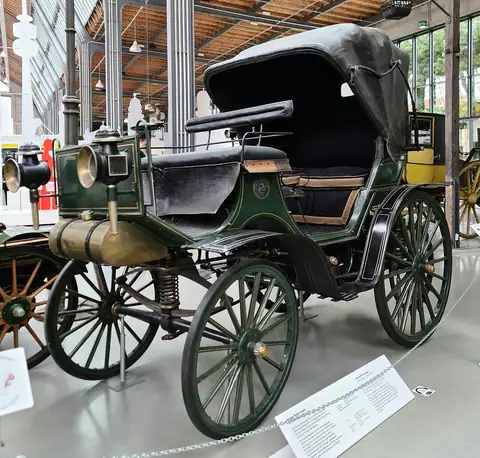
Daimler-Motoren-Gesellschaft
Riemenwagen (1890s)
Production not yet verified
-
No licensed photo yet
Daimler-Motoren-Gesellschaft · 1915
Mercedes 79/200 hp one-off (airship engine)
1 Built
-
No licensed photo yet
Daimler-Motoren-Gesellschaft · 1901–1903
"Paul Daimler car" prototypes
3 Built
-
No licensed photo yet
Daimler-Motoren-Gesellschaft · 1913
Mercedes 100 hp / 90 hp Grand Prix racing cars
4 Built
See all 20 cars by Daimler-Motoren-Gesellschaft →The Mercedes-Benz family →
More from Germany
-
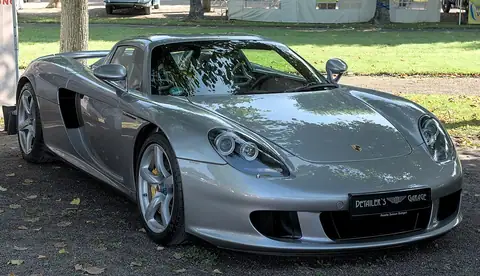
Porsche · 2003–2006
Carrera GT
1,270 Built
-
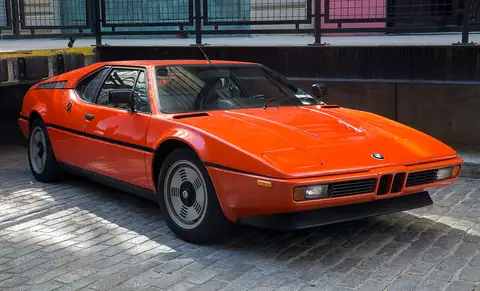
BMW · 1978–1981
M1 (E26)
453 Built
-
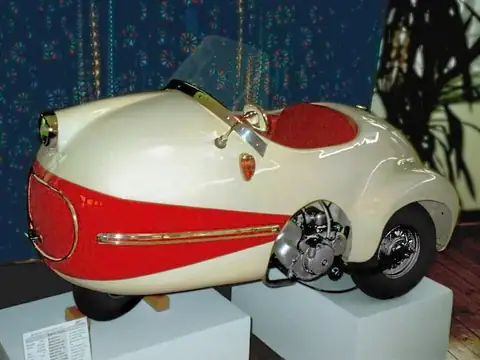
Brütsch
Mopetta (1956)
Production not yet verified
-
RUF · 1995–1997
CTR2
28 Built
71 other makes from Germany9ffAC SchnitzerAdlerAgria-WerkeAlbertAlpinaAMOAmphicarApolloArtegaAudiAuto UnionAutomobili PininfarinaBayerische AutowerkeBitterBMWBohseBoldmenBorgwardBovensiepenBrennaborBrütschChampionDauerDKWFMR (Messerschmitt)FuldamobilGemballaGepardGlasGoggomobilGoliathGumpertGutbrodHanomagHeinkelHorchHyundaiIFAIrmscherAll makes →